
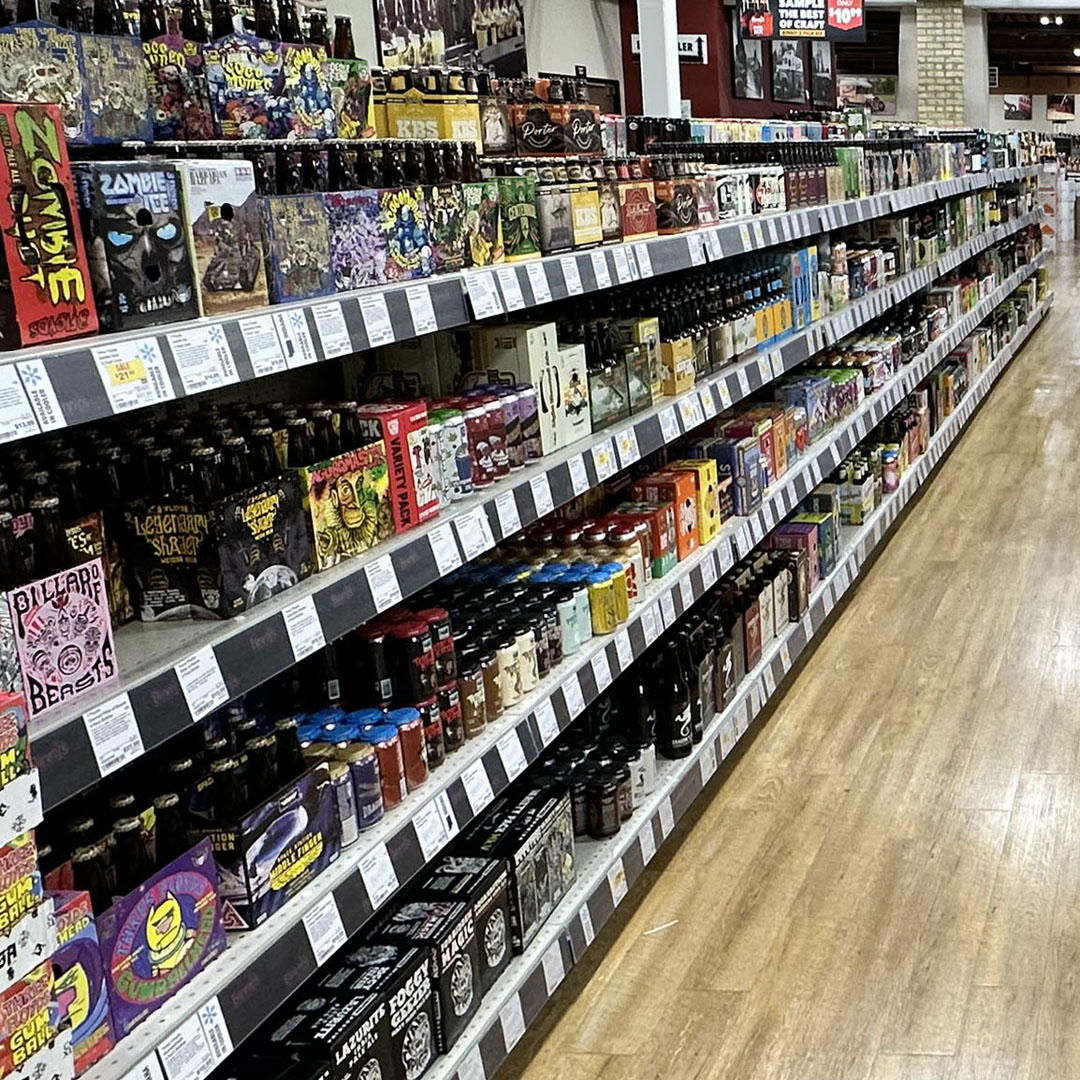
On its face, choosing a beer seems like a pretty simple proposition. And It would be, save for the fact that this liquid is one of the most fragile of all packaged products, vulnerable to time, heat, light and other forces. The single biggest factor in making sure you have great beer in your glass is getting it reasonably fresh.
What does that mean? First, that beer starts its downhill slide almost as soon as it is packaged. Some brewery taste panels can tell the difference between beer packaged that day versus the same beer packaged last week. They’re trained to do that; for most of us the beer tastes fresh longer than that.
How long a beer will remain tasty depends on four things:
• The technical skill and packaging equipment of the brewery
• The beer’s strength; generally stronger beers hold up better
• Its ingredients; certain malts are especially vulnerable to staling and hoppy beers quickly lose their bright, fresh character
• How it has been stored; the colder, the better
How Beer Goes Bad
Several things happen as beer ages. First, it’s is an unstable mix; in chemists’ terms, it is not in equilibrium. That means there are hordes of ongoing chemical interactions that can affect a beer’s flavor, texture and head. And they’re all subject to the same inviolable law: chemical reactions happen faster at higher temperatures. Beer stays fresh twice as long when kept near freezing. You may have heard that you should never let cold beer warm up. While it’s true that repeated warm-cold cycles can cause problems, one or two warm-ups are not going to ruin your beer.
What, exactly is happening inside those cans and bottles? First, certain chemicals with pleasing aromas—fruitiness or floral, citrusy hops—simply break down and vanish. Others transform into different chemicals with vinous, weirdly honey- or applesauce-like odors. Second, atoms of oxygen sit silently like underwater mines, waiting for the right conditions to unleash their destructive power on a beer. Most often, they bind to fatty acids to create an aldehyde ((e)-2 nonenal aka T2N) that smells just like a cardboard shoebox, which is bad enough, but in a double whammy, is also is an efficient masker of fresh, fruity flavors. T2N may be more impactful in the mouth than the nose, leaving a drying, wet newspaper finish.
Beer is vulnerable to light, too, creating a skunky, rubbery odor after just seconds in sunlight. Cans and brown bottles both offer good protection, since blue light is the offender. Not so much green or clear, although brewers often use a hop bittering material processed to remove the precursor, solving the problem. So it’s usually not a packaging issue but it will hit you in the beer garden.
With extreme age, the subtle mix of proteins and other components of beer’s body and foam literally fall apart, in some cases falling out as flakes with a snow-globe effect. By that point, the beer is undrinkable for multiple reasons, though.
Buying Smart
Date codes are an obvious asset in trying to figure out if a beer is still in the prime of its life. Codes show either a “born on” date, which puts it on you to decide when old is too old, or as a “best by” date, which the brewery sets a somewhat arbitrary date, typically six months, or all-too-frequently a year for imports. For me, most “regular” (~5% ) ales and lagers start to show their age by three months, so for them, a year is really a joke. Some Belgians have best by dates of two years or longer, which is not crazy for these styles.
But there are problems with date codes. For many larger non-craft brands, they’re only present in a proprietary code that needs some translation. If you’re in love with a certain brand, it might be worth searching to see if anyone out there on the Internet has broken the code. The good news is that most craft brands in the US have readable date codes on the bottom of the can or shoulder of the bottle.
If you’re buying at a beer or liquor store, you may find yourself turning over a lot of cans to find a fresh one. If you like seasonal styles, that’s a pretty good option, since, say, the Oktoberfest beers usually hit the shelves in August, meaning the domestic ones are apt to be fresh—I have found that seasonal imports may be months old by then.
If you don’t want to play “Date Code Whac-A-Mole,” I have another suggestion for you: get it at the source. In the US, at least, most people have a brewery within striking distance of where they live, and most breweries do at least some canning, since it’s good to have beer they can sell to-go. Growlers and quart-size crowlers are great for parties, but have a short shelf life. Additionally, most breweries offer flights or small tasters, so it’s easy enough to find what you like if you’re unfamiliar with the lineup.
You won’t save money with this approach, since breweries are expected not to undercut their retail accounts. But since breweries typically make three times the profit with direct sales, you can bask in the glow of helping support your local brewery in these very challenging times.
Seek Wisely
I’m not here to tell you what you like. Most of you have that nailed already. However, it’s been my observation that people sometimes get stuck in a rut and just reach for the same ol’ same ol.’ Discovering a new brewery or seeking variations on styles you already like are a great way
to spice up your beer life. For example, if you like pale lagers (and who doesn’t?), do you have a clear map in your head of the many substyles: helles, Czech pilsners, German, international, New Zealand, California and Italian pils? Each has its own personality, differing in body, balance, malt and hop character. Might be worth branching out. If you like hoppy beers like IPAs, have you tried the ever-evolving variations: cold and new-school West Coast IPAs and assertive dry-hopped lagers? Might be something there for you. If you’re an open-minded wine lover, there have never been more choices for fruited beers, and of course the Belgians have been at this for years, making some deliciously wine-like beers.