grcrret-wtr3pcwmr

First Encounter: Greek Food, in Greece

Sunrise in Porto, the view from our hotel window. Situated along the Douro River estuary in northern Portugal, beautiful Porto is one of the oldest European centers. Port wine, one of Portugal’s most famous exports, is named after the city as its metropolitan area is the heart of the packaging, transport, and export of this world-famous fortified wine. Recently my wife Nancy and I had the occasion to visit lovely Portugal and spend a little time enjoying its scenic and gustatorial delights.

brain-blog3-26mrq

This Is Your Brain on Chemosensing

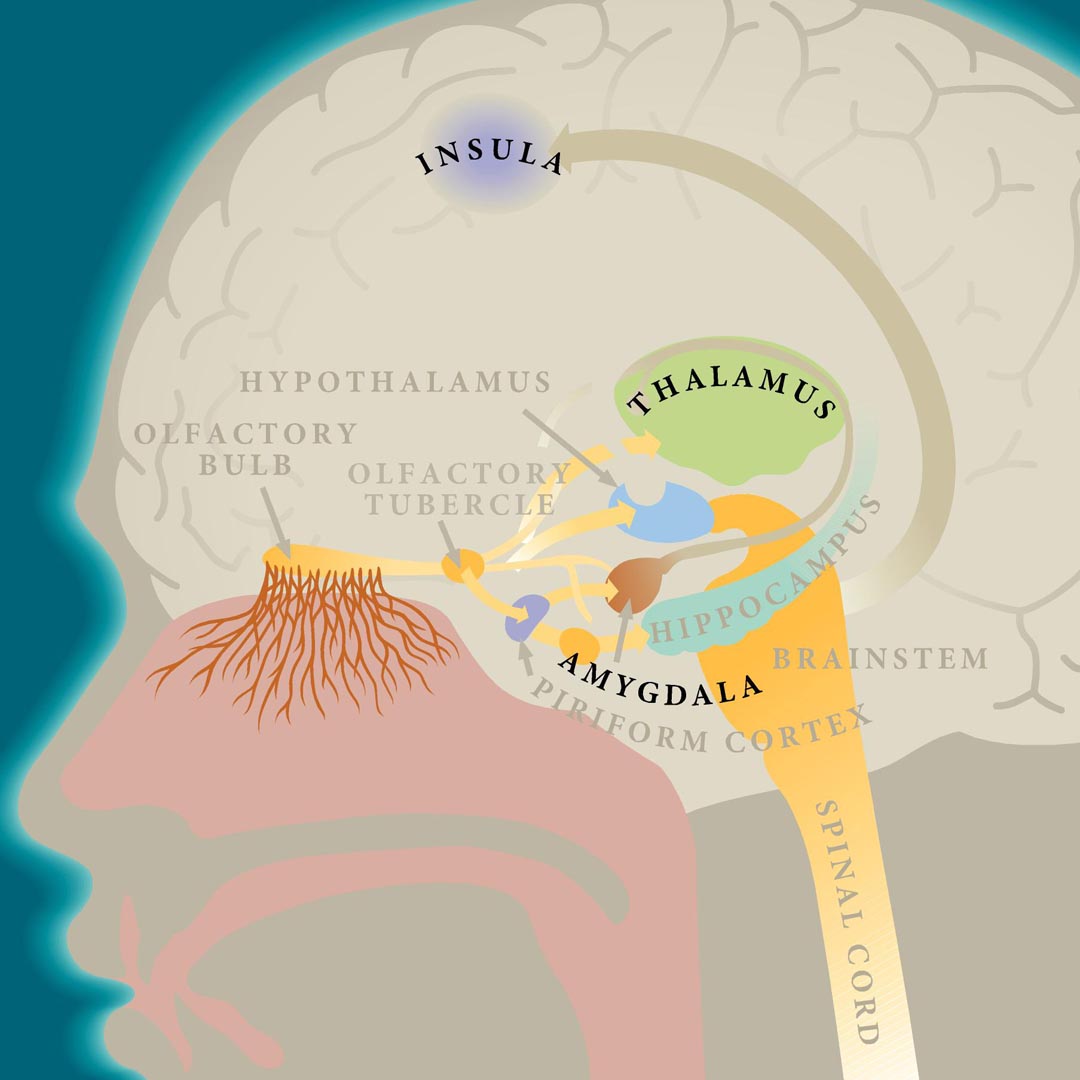
Recently reviewing some of the bits and pieces of text we cut because they were just a bit too detailed for what we were trying to do, I marveled again about all this neurological clockwork. There’s an awful lot more going on, but I think the capabilities, concerns and mechanisms of these brain regions I have plenty to say in the upcoming book, but

heataromchem wc2-0mrq

Heat-created Aroma Compounds

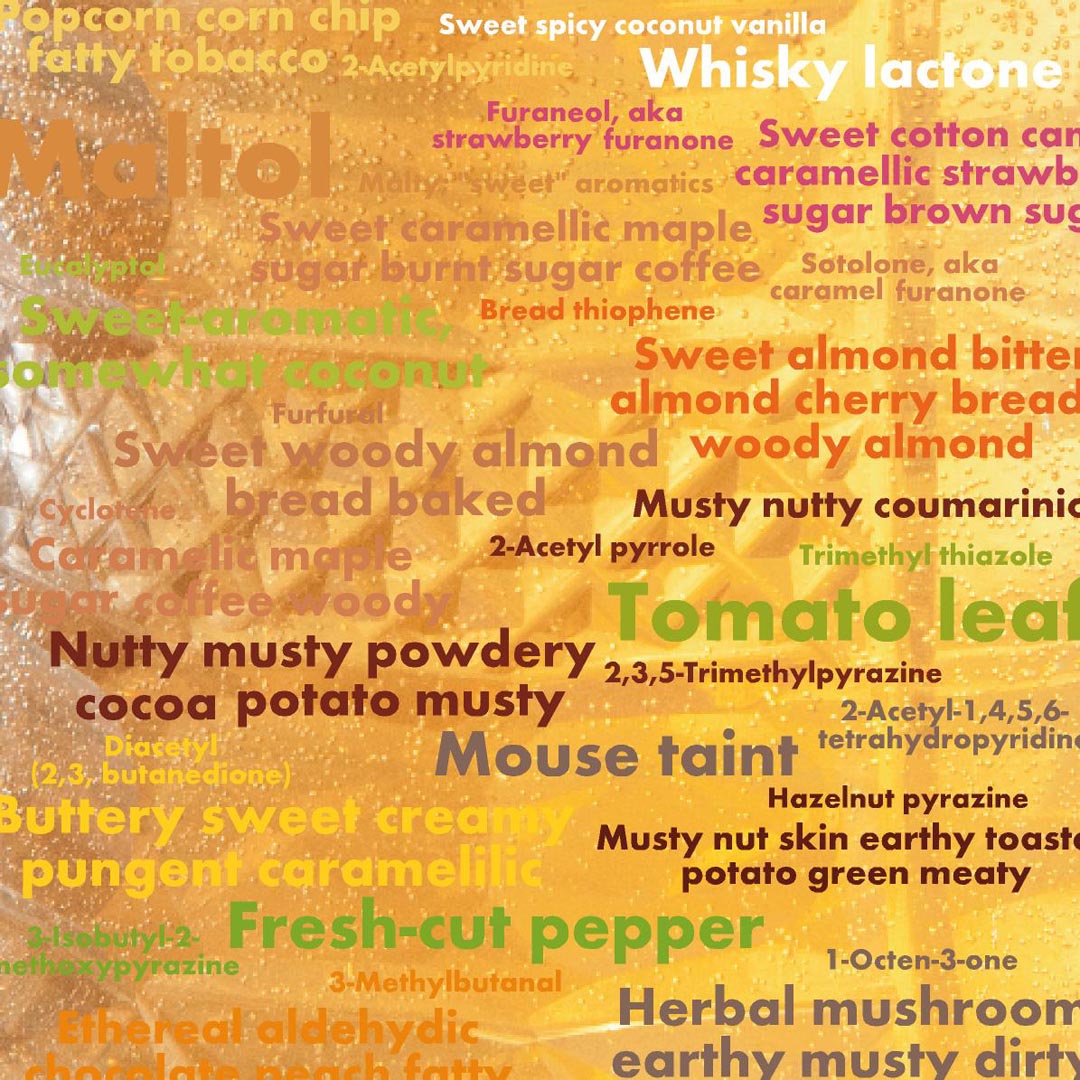
This chart lists some selected products of kilning, baking, roasting, frying and other cooking methods. Just to put it into some kind of context, these flavorful chemicals arise from several fearsomely complex chemical processes involving heat: Maillard browning, caramelization and pyrolysis, which is essentially burning.

ddp-postrbg2sqmrq

Tasting Is Impossible. Knowing Why Is Half the Battle

Watch an expert pick up a glass, give it a quick sniff and instantly the complexities of a wine or beer are translated into a few choice words. It looks like simplicity itself, but try to do the same thing as a novice and it’s often an epic struggle. Experts may make it look easy, but it takes a long time to get there. There are many barriers, not the least of which is that tasting is a deeply unnatural act.

ob-procss2-3mr

Olfactory Bulb Signal Processing, Part 2

About the size of a kidney bean, our olfactory bulb is one of the smaller parts of the human brain, and also one of the more amazing. Its prime function is to process signals from a host of olfactory neurons, then serve their response patterns up to the brain, which recognizes odors based on past experiences.

1 2 4