packard56cmrq

The Intoxicating Toxicity of New Car Smell

Back in the heyday of American automotive glory, most vehicles were affordable but they rarely lasted very long. For most middle-class families it was normal to buy a new car every two or three years. This meant trading the rust, dragging mufflers and stale design for something shiny and fresh. The sweetly intoxicating odor of vinyl chloride, a component of the soft plastic that covered much of the interior was the primary odor note that I recall, and it was the olfactory touchstone for this rebirth. It was (cough, cough) glorious.

treceptchart2-0

Trigeminal Wonders

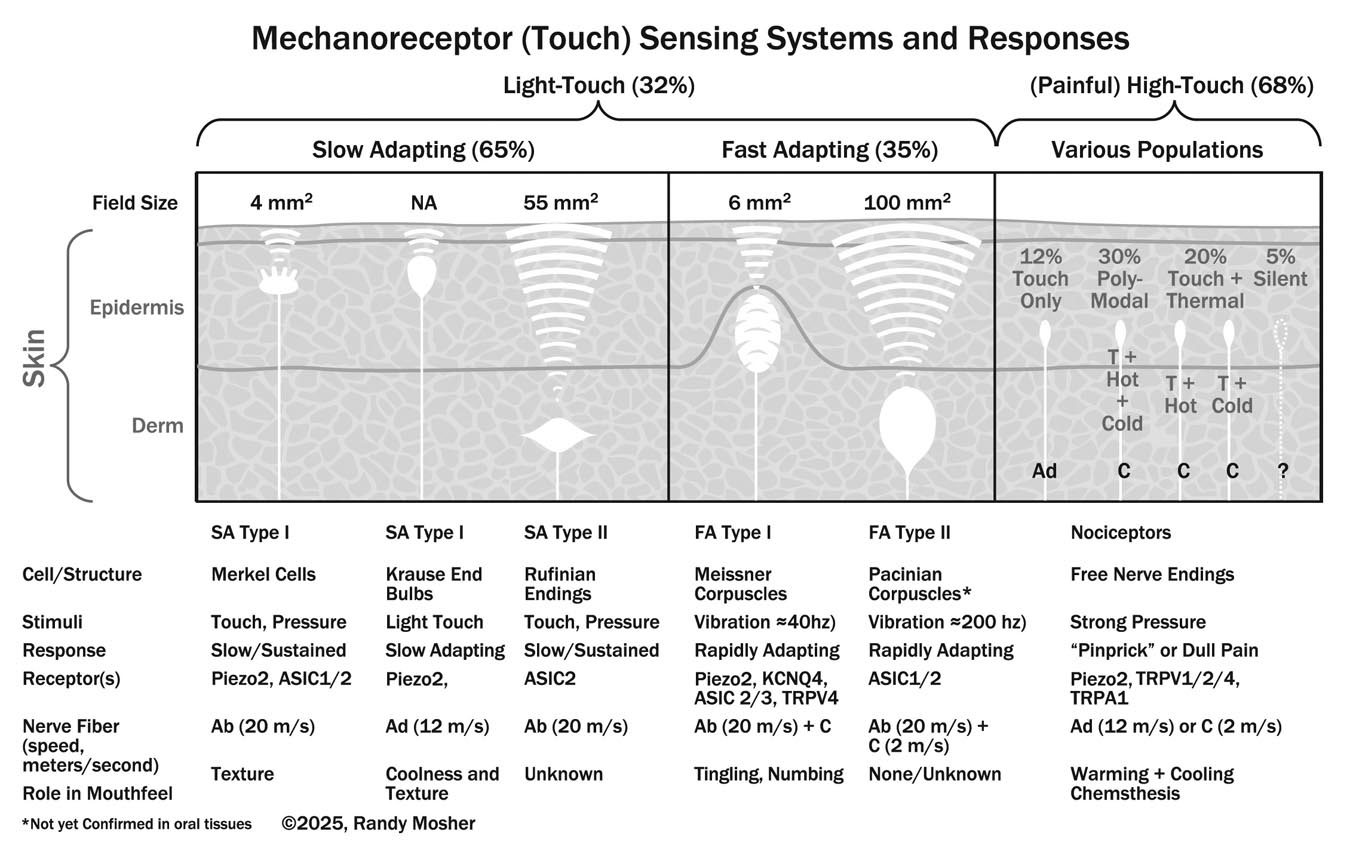
Our trigeminal system consists of multiple coordinated sensory inputs based on more than a dozen receptor types. As I often do to get a grip on a subject, I found it helpful to diagram various parts of it. As the book was getting longer and longer, we decided we could do without the diagram, so I’m presenting it here. It’s a representation of the major touch sensing systems we use for mouthfeel/trigeminal sensations.

or-trans2-2mr

Every Odor’s Starting Point: A Biochemical Pinball Machine

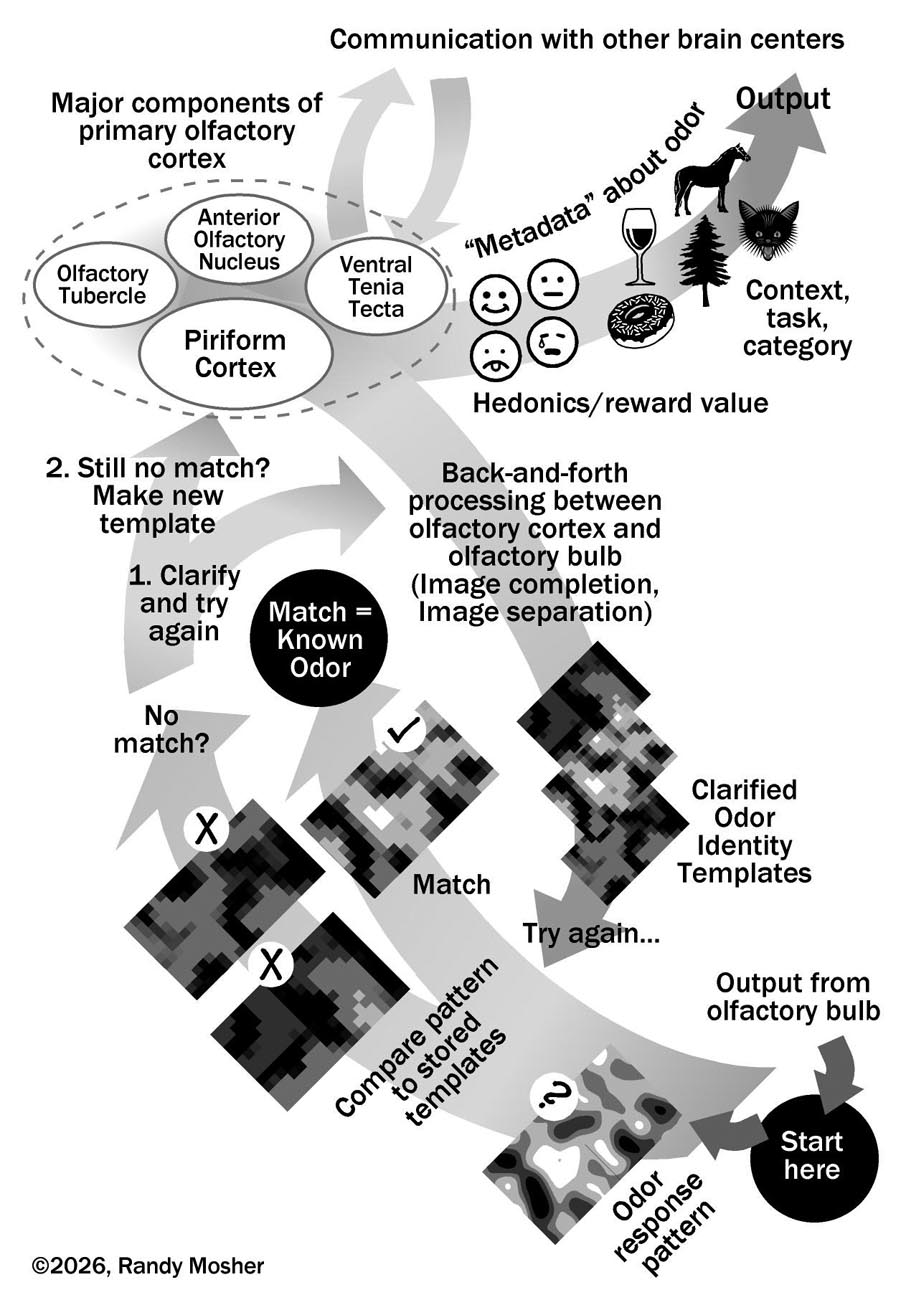
If you know even a little about the olfactory system, you get the general idea that at the very beginning of any perceptible smell are numerous events in which odorous molecules bind to receptor proteins. This ultimately results in a neural signal being transmitted into the brain via the olfactory bulb. This was my starting point, too, but I decided it would be interesting to know how all that actually happened.

diosccor2mr

In Praise of Coriander

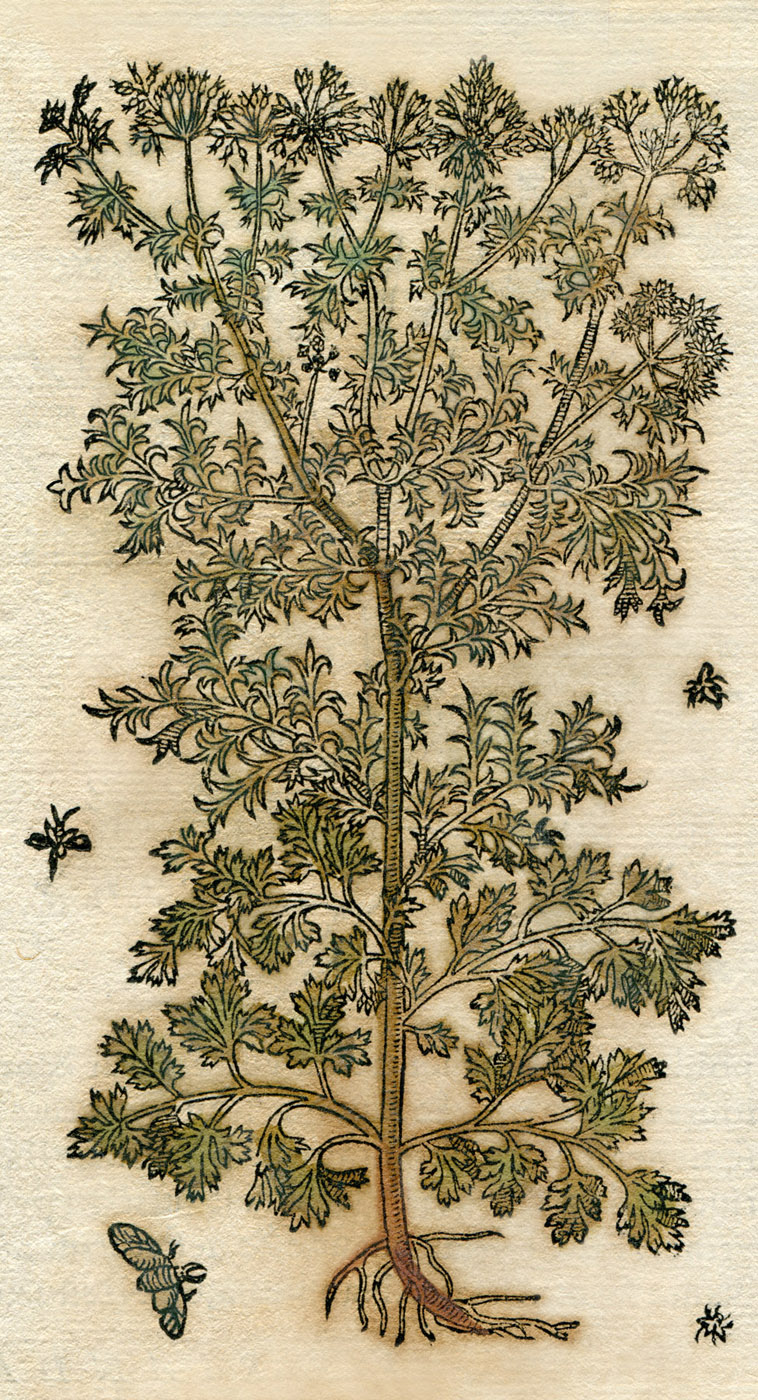
As someone with a creative bent, I want to make sure I have access to the widest possible range of flavors to work with, just as an artist would want to have a lot of colored paints at hand. Some seasonings have very specialized uses and stay in the cabinet, but others are used so often I keep them on a rack right above the cooktop. Most herbs and spices are best suited either for savory foods or sweet ones. A few, like ginger, have shape-shifting characters that lets them do dual duty. Of these, coriander is the king in my kitchen.

rmsalonewine1cxmrq

“White peaches” — An Interview with Wine Economist Robin Goldstein

I was a wine and food critic and writer before the Wine Trials (Book: The Wine Trials, a cross-country experiment in blind wine tastings), and was trained as a sommelier. I really felt I was not a snob or a bullshit artist. But after the trials, it became apparent to me that there was absolutely no relationship between wine price and drinker preference, except maybe that most people preferred inexpensive wines to expensive ones.

woodfrdstill2vpccmrq

An Interview with Flavor Experts Gary Spedding and Tony Aiken

GS: “We try to get people to use a standard vocabulary. You can use any words you want as long as they’re consistent and everybody on the team knows what they represent. People use terms related to their experience like: “grandma’s basement,” but I don’t know what your grandma’s basement smells like; I only know my own grandma’s. So you have to common language. And if you’re going to use a common language, it might as well be the industry standard one, so you can talk to people outside your own company. Of course, different audiences have different needs and interests.”

hophead1-1mrq

Is There a Brain Map for Odors?

GS: “We try to get people to use a standard vocabulary. You can use any words you want as long as they’re consistent and everybody on the team knows what they represent. People use terms related to their experience like: “grandma’s basement,” but I don’t know what your grandma’s basement smells like; I only know my own grandma’s. So you have to common language. And if you’re going to use a common language, it might as well be the industry standard one, so you can talk to people outside your own company. Of course, different audiences have different needs and interests.”

nebbar1cmrq

A Chart of Wine Aroma Impact Molecules

This post deals with the fascinating world of functional fragrance: the commercial art of adding aromas to household products. Since so much money is riding on this, it tends to be highly secretive, and it’s very difficult to get those involved to really tell stories about the tricks and techniques that make these products and deal with our perceptually messy selves. John has moved on to other things, so was happy to share some insights with me.

poisngladecgtwrl1lmr

Interview with Functional Fragrance Expert John Lenhart

This post deals with the fascinating world of functional fragrance: the commercial art of adding aromas to household products. Since so much money is riding on this, it tends to be highly secretive, and it’s very difficult to get those involved to really tell stories about the tricks and techniques that make these products and deal with our perceptually messy selves. John has moved on to other things, so was happy to share some insights with me.