hophead1-1mrq

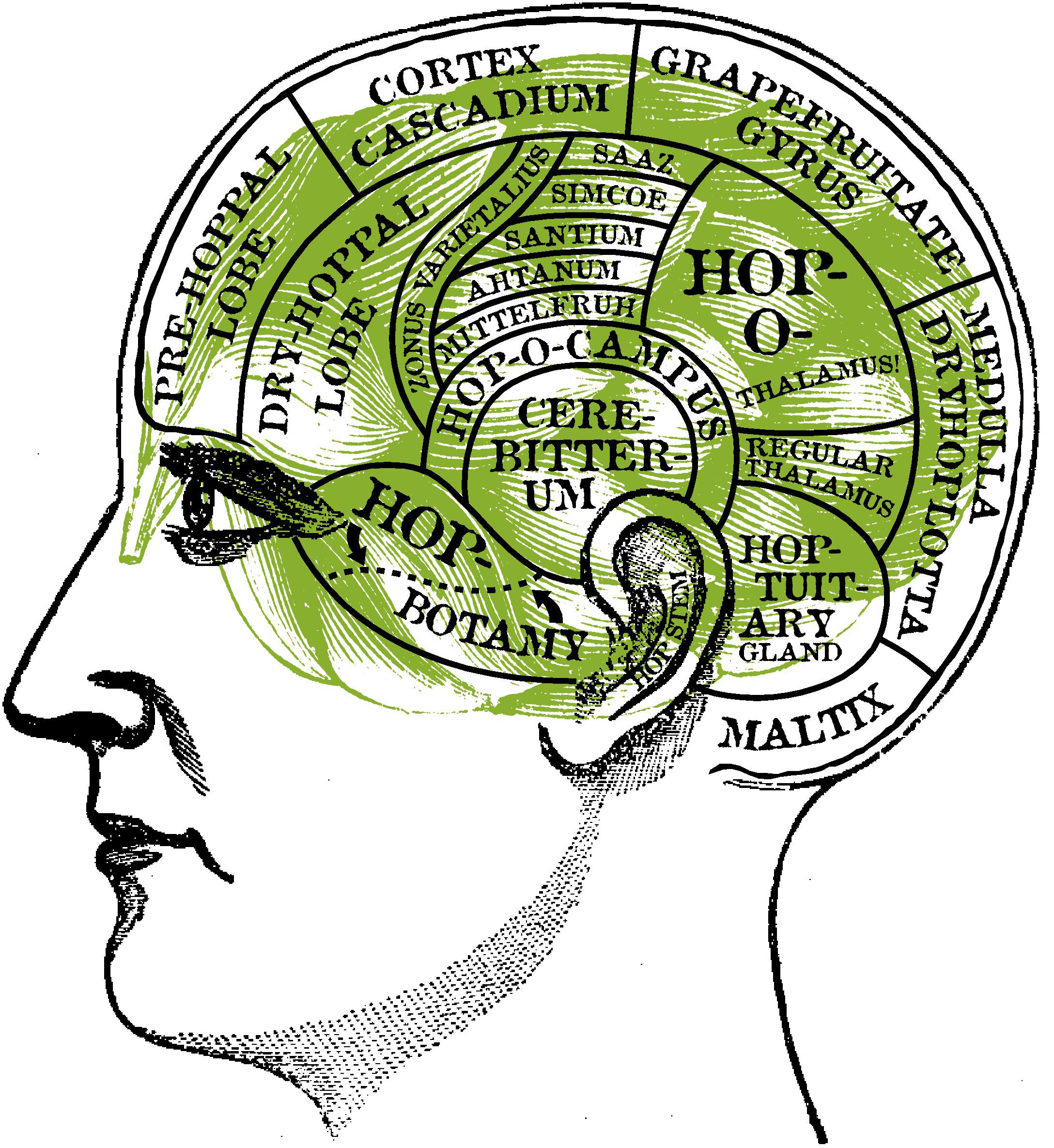
Is There a Brain Map for Odors?

GS: “We try to get people to use a standard vocabulary. You can use any words you want as long as they’re consistent and everybody on the team knows what they represent. People use terms related to their experience like: “grandma’s basement,” but I don’t know what your grandma’s basement smells like; I only know my own grandma’s. So you have to common language. And if you’re going to use a common language, it might as well be the industry standard one, so you can talk to people outside your own company. Of course, different audiences have different needs and interests.”
nebbar1cmrq

A Chart of Wine Aroma Impact Molecules

This post deals with the fascinating world of functional fragrance: the commercial art of adding aromas to household products. Since so much money is riding on this, it tends to be highly secretive, and it’s very difficult to get those involved to really tell stories about the tricks and techniques that make these products and deal with our perceptually messy selves. John has moved on to other things, so was happy to share some insights with me.

poisngladecgtwrl1lmr

Interview with Functional Fragrance Expert John Lenhart

This post deals with the fascinating world of functional fragrance: the commercial art of adding aromas to household products. Since so much money is riding on this, it tends to be highly secretive, and it’s very difficult to get those involved to really tell stories about the tricks and techniques that make these products and deal with our perceptually messy selves. John has moved on to other things, so was happy to share some insights with me.

belg-lacambeermap2lmrq

G. Lacambre’s Strange Belgian Beers in 1851

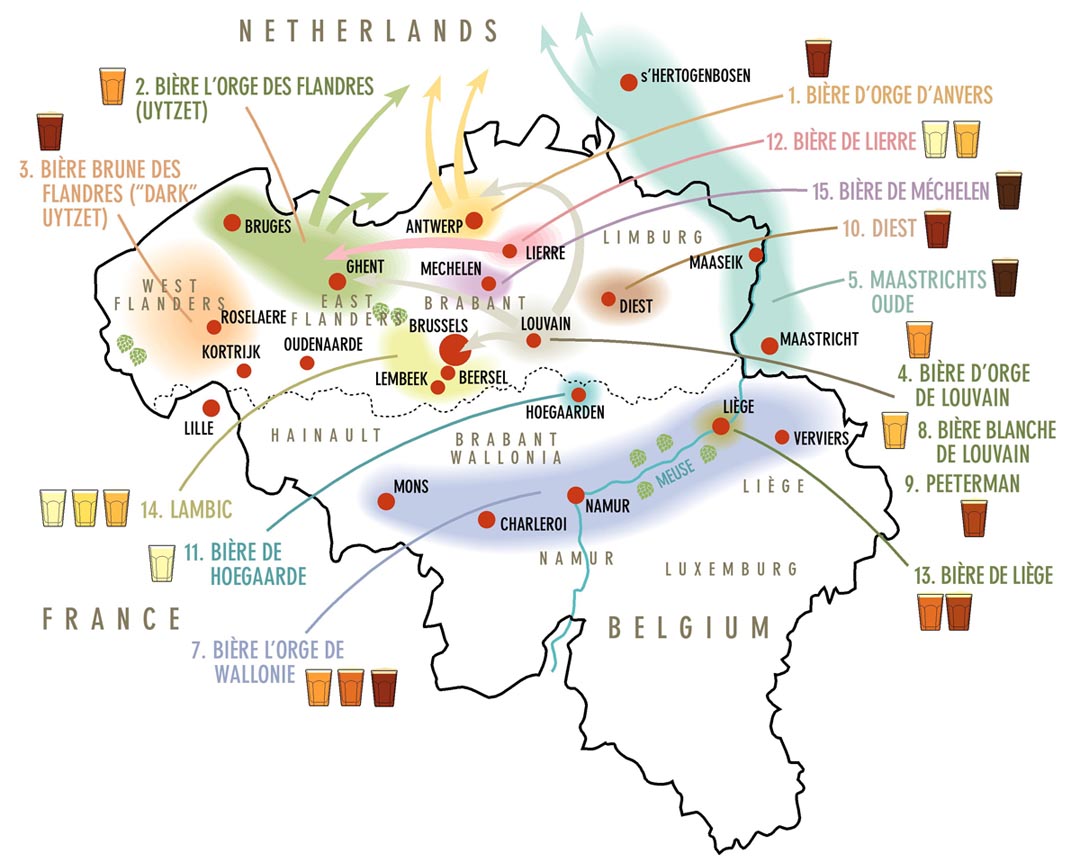
Obviously a work this large has a lot in it, so here I’m dealing with a small portion of the book where he describes the beer styles of the day. Early on in the book Lacambre asserts that at that time, just about all (75 percent) beers from Belgium and Holland were wheat (or other adjunct) based beers, even “the ones we call barley beers.” This was prior to the arrival of lagers in Belgium.

CBF5a2ccmrq

Food and Drink: What Is Really Known About Food and Drink Interactions?

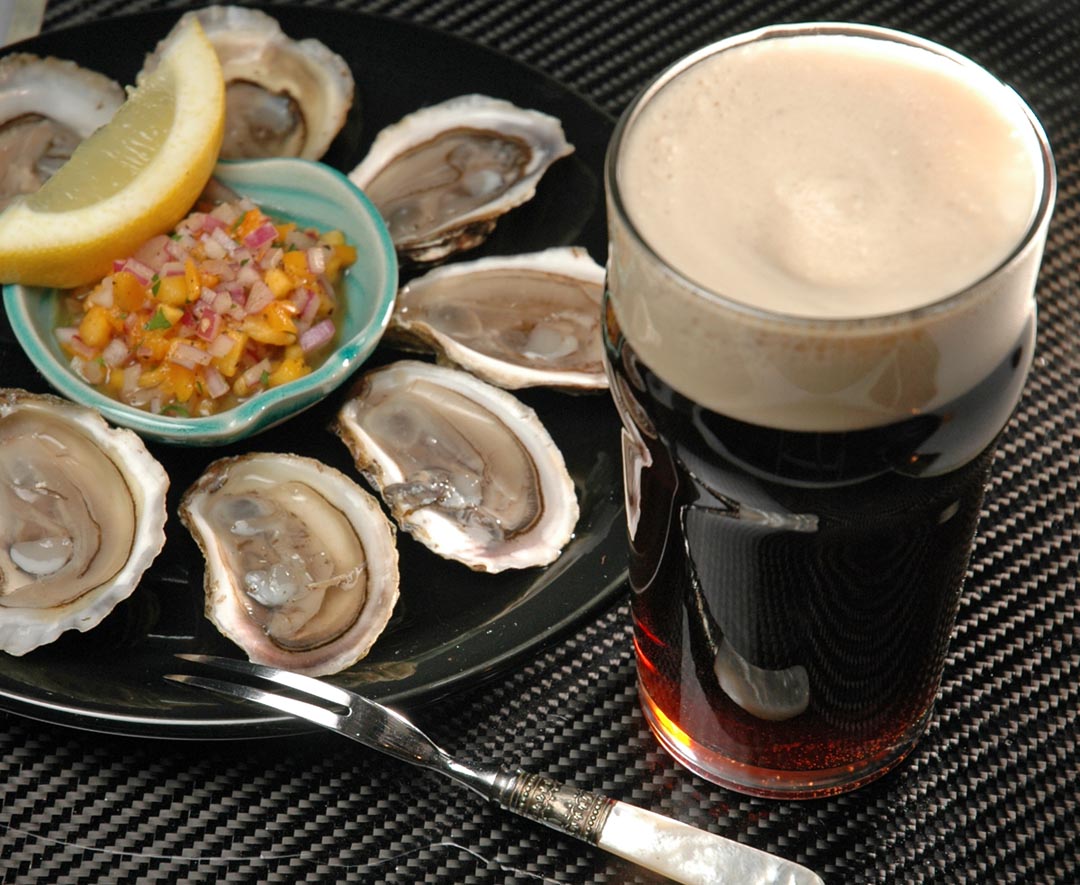
I was involved for a couple of years with a group that was trying to put some logic and science into the often fuzzy thinking around beer and food pairing. I think we made some progress, but one of the things we knew we needed was a literature search. This meant combing through a ton of scientific papers to look for proven interactions, which was not an easy task, since they tended to be buried in research about particular receptors and other biological systems.

hddnsens bod1-0mr

Hidden Taste Systems

Of our chemical senses, taste is the one most of is is probably the most obvious. A sweet, salty, sour or bitter taste on our tongue is quick and unambiguous, although umami and others can be more nuanced. The last thing we would expect is a parallel taste system in our bodies operating entirely behind the scenes.

licia09beercafe1cmr

What’s Going On in the Olfactory Bulb?

Part One: Signal Processing

Unlike manufactured systems, our senses can’t rely on highly accurate and linear sensors to convert external stimuli into usable signals. Biological systems are inherently variable, noisy and limited in range, yet we need clear and accurate information to guide our behavior. How do we manage to do this?

portosunrise

The Pleasures of Portugal

Sunrise in Porto, the view from our hotel window. Situated along the Douro River estuary in northern Portugal, beautiful Porto is one of the oldest European centers. Port wine, one of Portugal’s most famous exports, is named after the city as its metropolitan area is the heart of the packaging, transport, and export of this world-famous fortified wine. Recently my wife Nancy and I had the occasion to visit lovely Portugal and spend a little time enjoying its scenic and gustatorial delights.

1 2 3 4 5