heataromchem wc2-0mrq

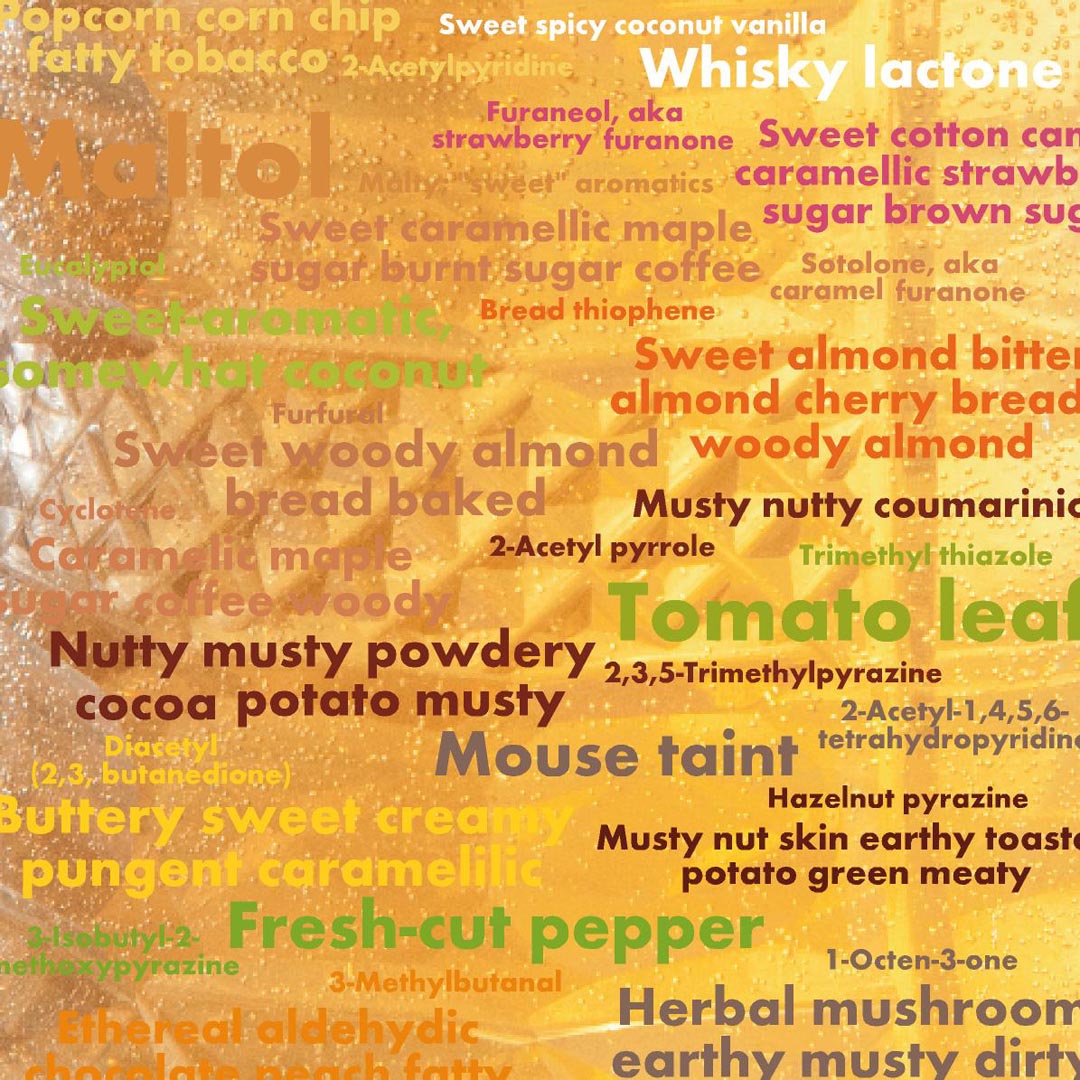
Heat-created Aroma Compounds

This chart lists some selected products of kilning, baking, roasting, frying and other cooking methods. Just to put it into some kind of context, these flavorful chemicals arise from several fearsomely complex chemical processes involving heat: Maillard browning, caramelization and pyrolysis, which is essentially burning.


diosccor2mr

In Praise of Coriander

As someone with a creative bent, I want to make sure I have access to the widest possible range of flavors to work with, just as an artist would want to have a lot of colored paints at hand. Some seasonings have very specialized uses and stay in the cabinet, but others are used so often I keep them on a rack right above the cooktop. Most herbs and spices are best suited either for savory foods or sweet ones. A few, like ginger, have shape-shifting characters that lets them do dual duty. Of these, coriander is the king in my kitchen.

Wine waiter woman during blind tasting various alcoholic beverages. Sommelier exam to study different wine and beer.

Running Hot and Cold

It’s obvious that we human beings are all pretty different from one another—in appearance, experience, attitude, gender, and countless other attributes. Each of us has things that come effortlessly and others at which we struggle. It goes without saying that these differences affect our abilities as tasters. But how, exactly?