ddp-postrbg2sqmrq

Tasting Is Impossible. Knowing Why Is Half the Battle

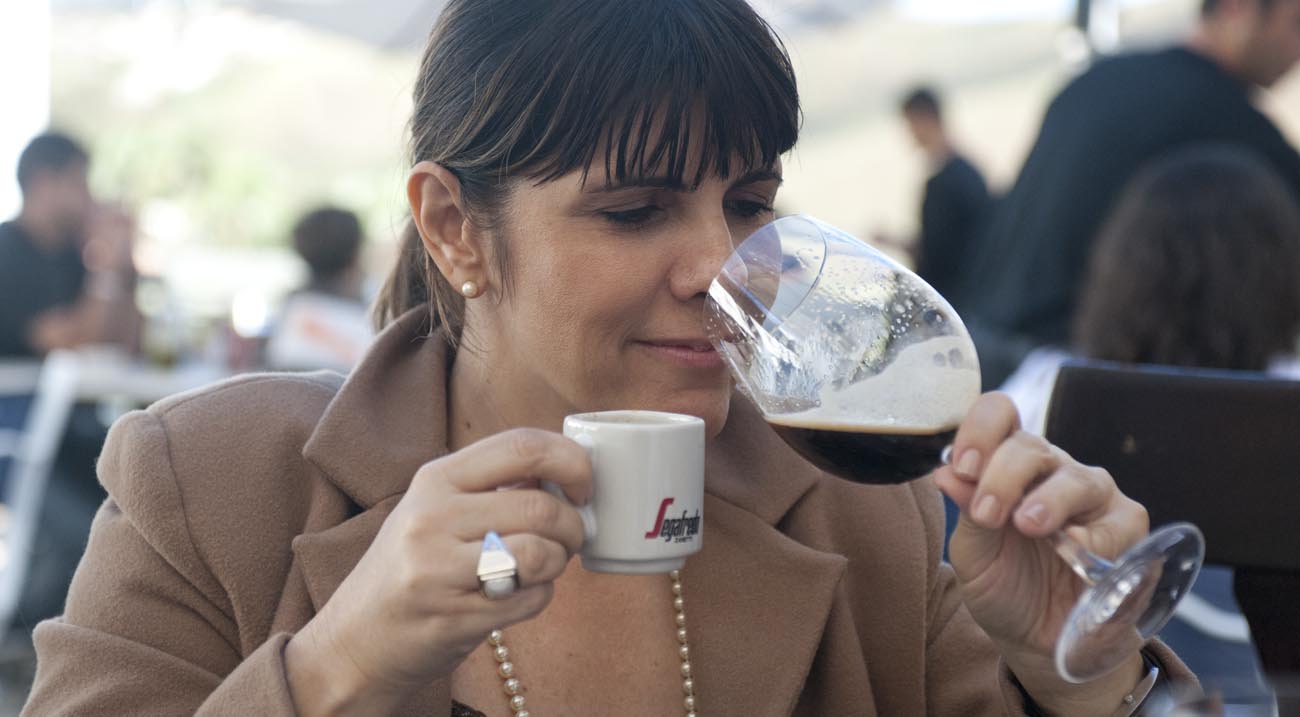
Watch an expert pick up a glass, give it a quick sniff and instantly the complexities of a wine or beer are translated into a few choice words. It looks like simplicity itself, but try to do the same thing as a novice and it’s often an epic struggle. Experts may make it look easy, but it takes a long time to get there. There are many barriers, not the least of which is that tasting is a deeply unnatural act.
rmsalonewine1cxmrq

“White peaches” — An Interview with Wine Economist Robin Goldstein

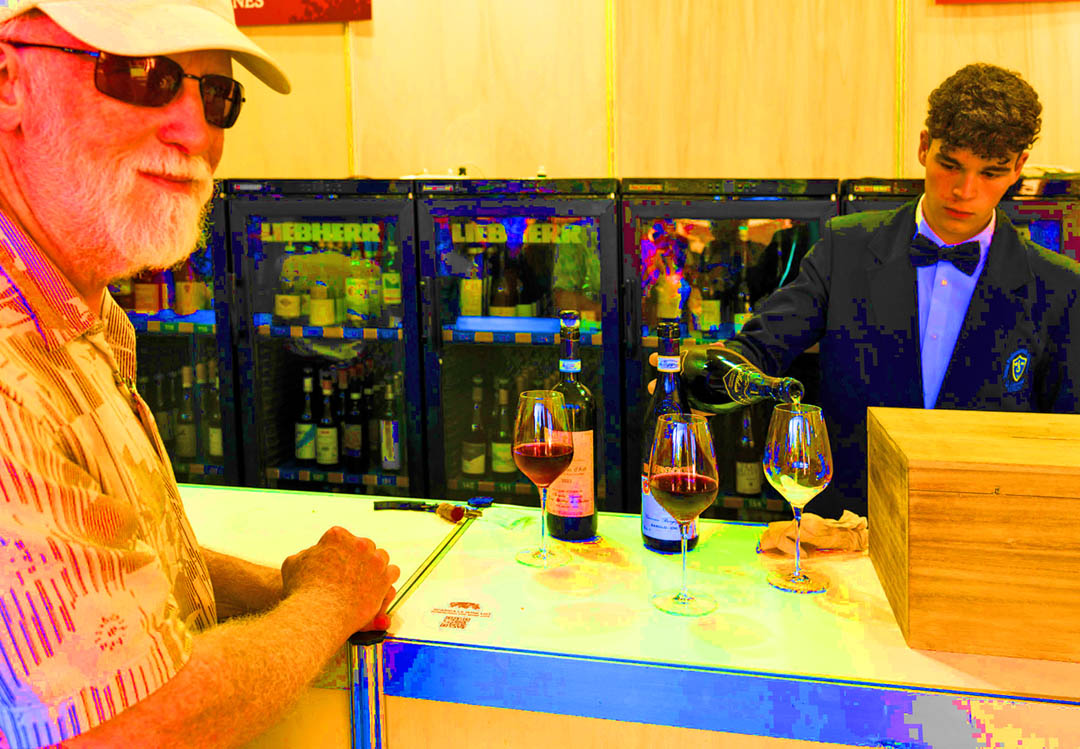
I was a wine and food critic and writer before the Wine Trials (Book: The Wine Trials, a cross-country experiment in blind wine tastings), and was trained as a sommelier. I really felt I was not a snob or a bullshit artist. But after the trials, it became apparent to me that there was absolutely no relationship between wine price and drinker preference, except maybe that most people preferred inexpensive wines to expensive ones.

cbf10a2lmrc

The Experts: What Do They Know?

In terms of smell, humans are often denigrated as being much poorer than bears or dogs. Compared to mice, it’s true we have only a third as many working receptor types, but we have way more copies. It’s a fair bargain, because their extra receptors involuntarily control their behavior, while our cognitive brain does these tasks with far more flexibility—and free will. Each creature has its own lifestyle, and its sensory systems are adapted perfectly to it.

licia09beercafe1cmr

What’s Going On in the Olfactory Bulb?

Part One: Signal Processing

Unlike manufactured systems, our senses can’t rely on highly accurate and linear sensors to convert external stimuli into usable signals. Biological systems are inherently variable, noisy and limited in range, yet we need clear and accurate information to guide our behavior. How do we manage to do this?