packard56cmrq

The Intoxicating Toxicity of New Car Smell

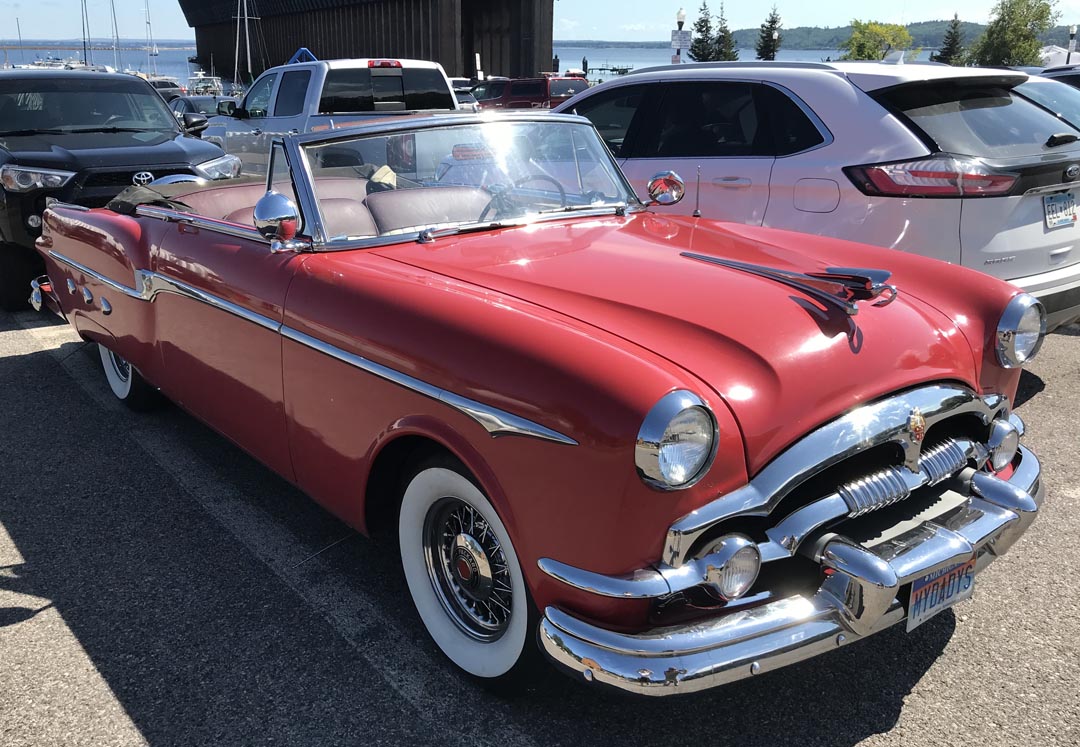
Back in the heyday of American automotive glory, most vehicles were affordable but they rarely lasted very long. For most middle-class families it was normal to buy a new car every two or three years. This meant trading the rust, dragging mufflers and stale design for something shiny and fresh. The sweetly intoxicating odor of vinyl chloride, a component of the soft plastic that covered much of the interior was the primary odor note that I recall, and it was the olfactory touchstone for this rebirth. It was (cough, cough) glorious.

or-trans2-2mr

Every Odor’s Starting Point: A Biochemical Pinball Machine

If you know even a little about the olfactory system, you get the general idea that at the very beginning of any perceptible smell are numerous events in which odorous molecules bind to receptor proteins. This ultimately results in a neural signal being transmitted into the brain via the olfactory bulb. This was my starting point, too, but I decided it would be interesting to know how all that actually happened.

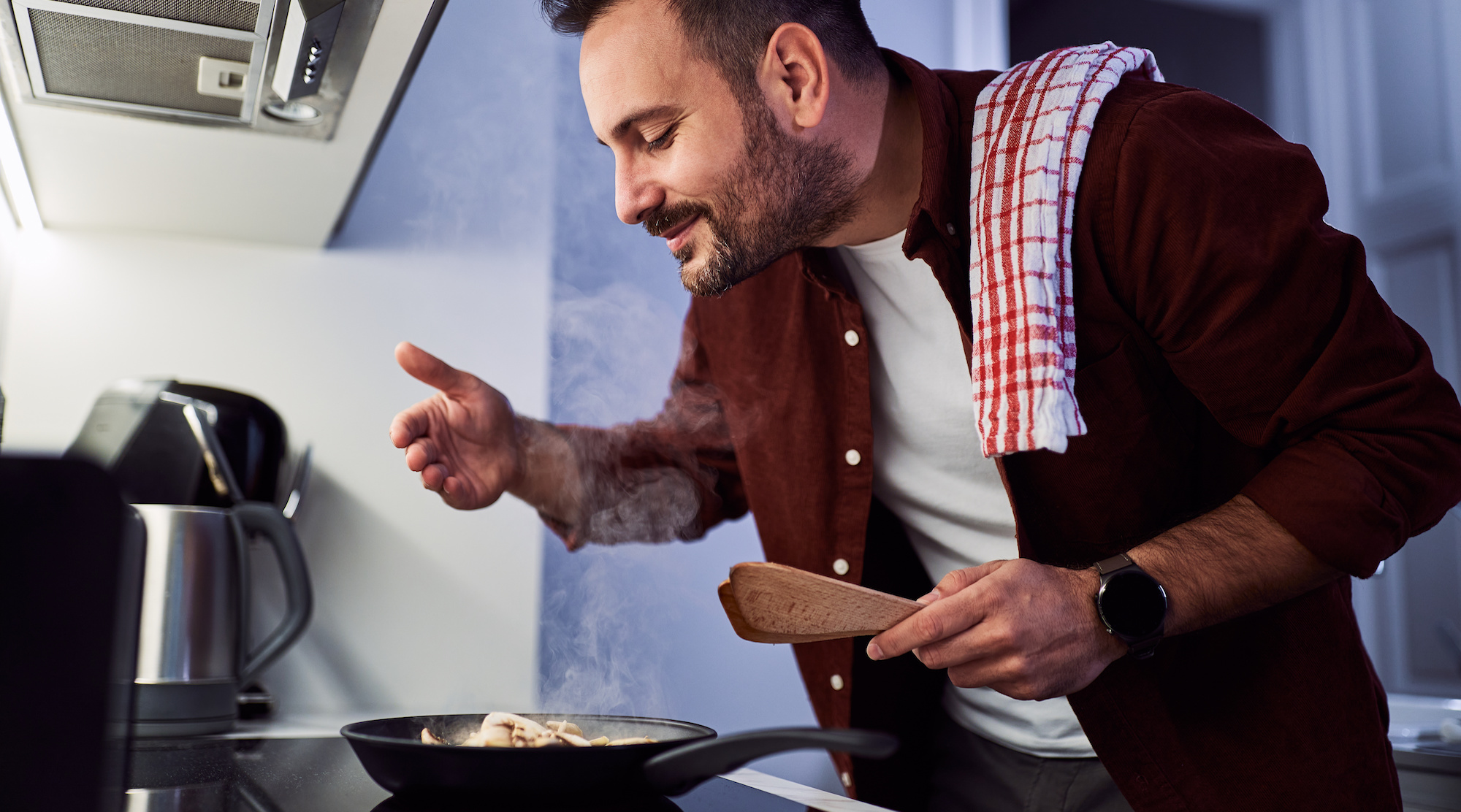
A man enjoying the aroma of his meal in a pan, cooking in his kitchen.

Thinking About Sniffing

A universal truth that keeps popping up in my search of the literature is that nothing is as simple as it seems. A sniff seems just a simple movement of air, but it’s actually way more than that: it’s a psychomotor event. One crucial function is to synchronize the olfactory receptor cells with the olfactory bulb and other smell-related brain regions, especially the primary olfactory processing center, the piriform cortex. This allows different regions to communicate with each other…

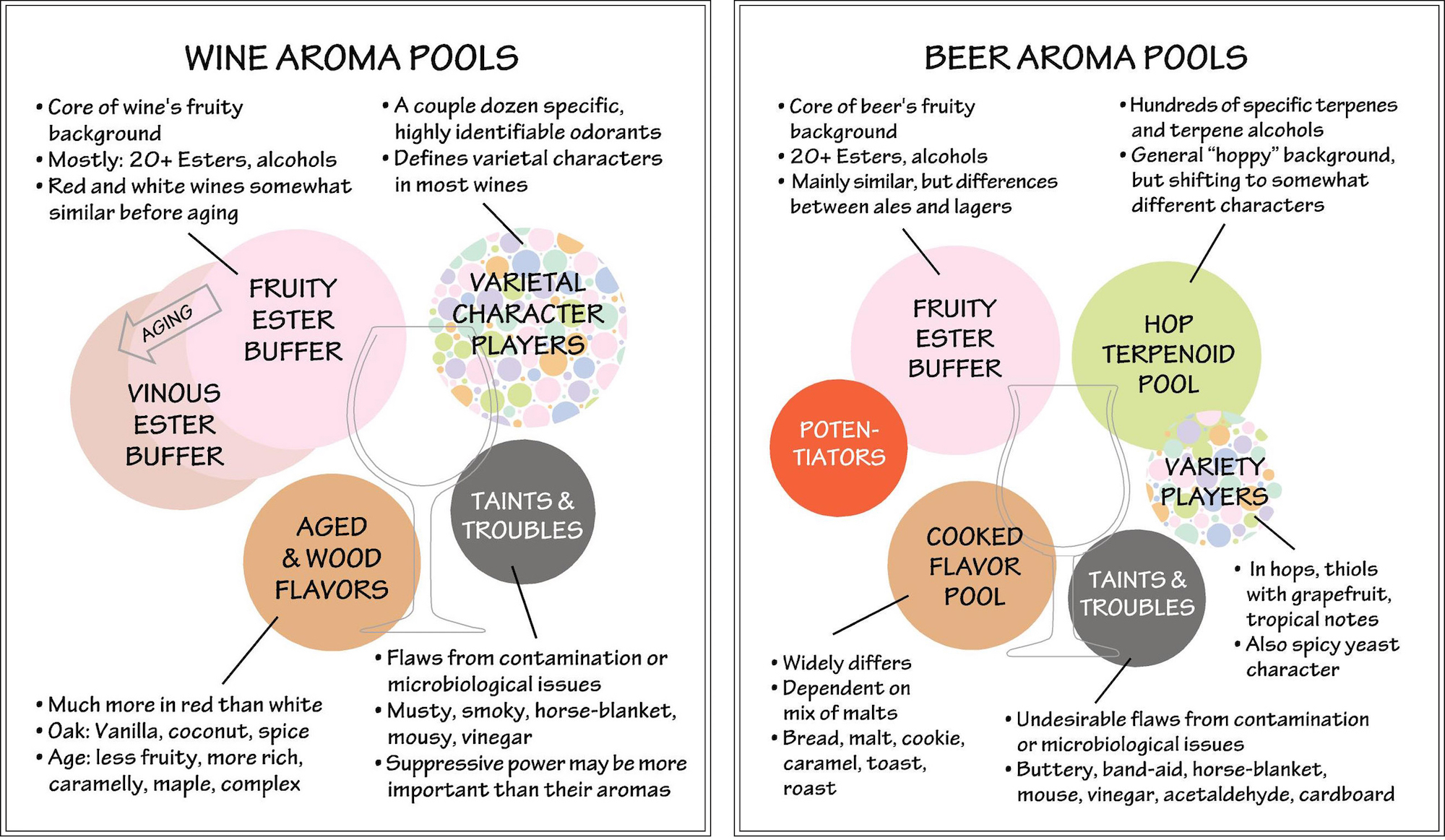
beerwinepools

Diving Into Beer’s Aroma Pools

Beer is more complex than any other beverage known. No one’s keeping the master list of odor chemicals, but it’s huge. Hops alone contain more than 1000 terpenoids with citrus, floral and other aromas, with many other chemicals, too. In malt, Maillard and other browning processes create hundreds more. Fermentation and subsequent maturation creates a third enormous family of aromas, yet there are more. Add them all up and you get far in excess of the widely quoted number of 600–1000 odor chemicals in wine.