fizz bubble soda drink tropical

The HyperFlavors of Seltzers

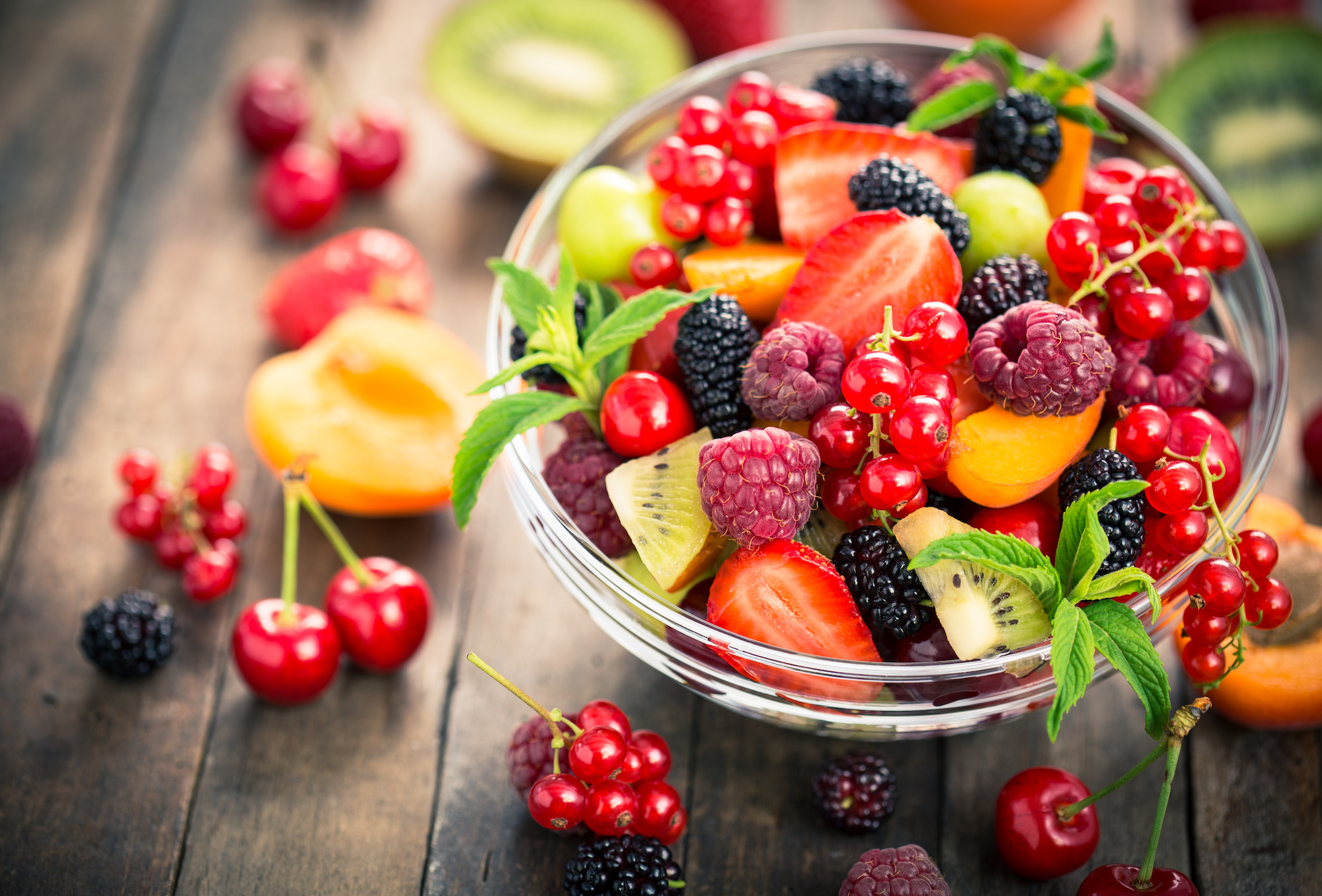
Love them or hate the very idea, hard seltzers are here to stay—at least until the Next Big Thing comes along. They’re here for several reasons. First, they were consciously created to suit a general trend towards more healthful alcoholic beverages. With their transparent spritziness and lightness in alcohol and calories, seltzers deliver on this request. Second, they’re “my own” drink for a chunk of the younger drinking generation. Additionally, there has been a decades-long trend in candy, snacks and other products for ever more explosive, “hyper” flavors, delivering more intensity than conventional ingredients can.

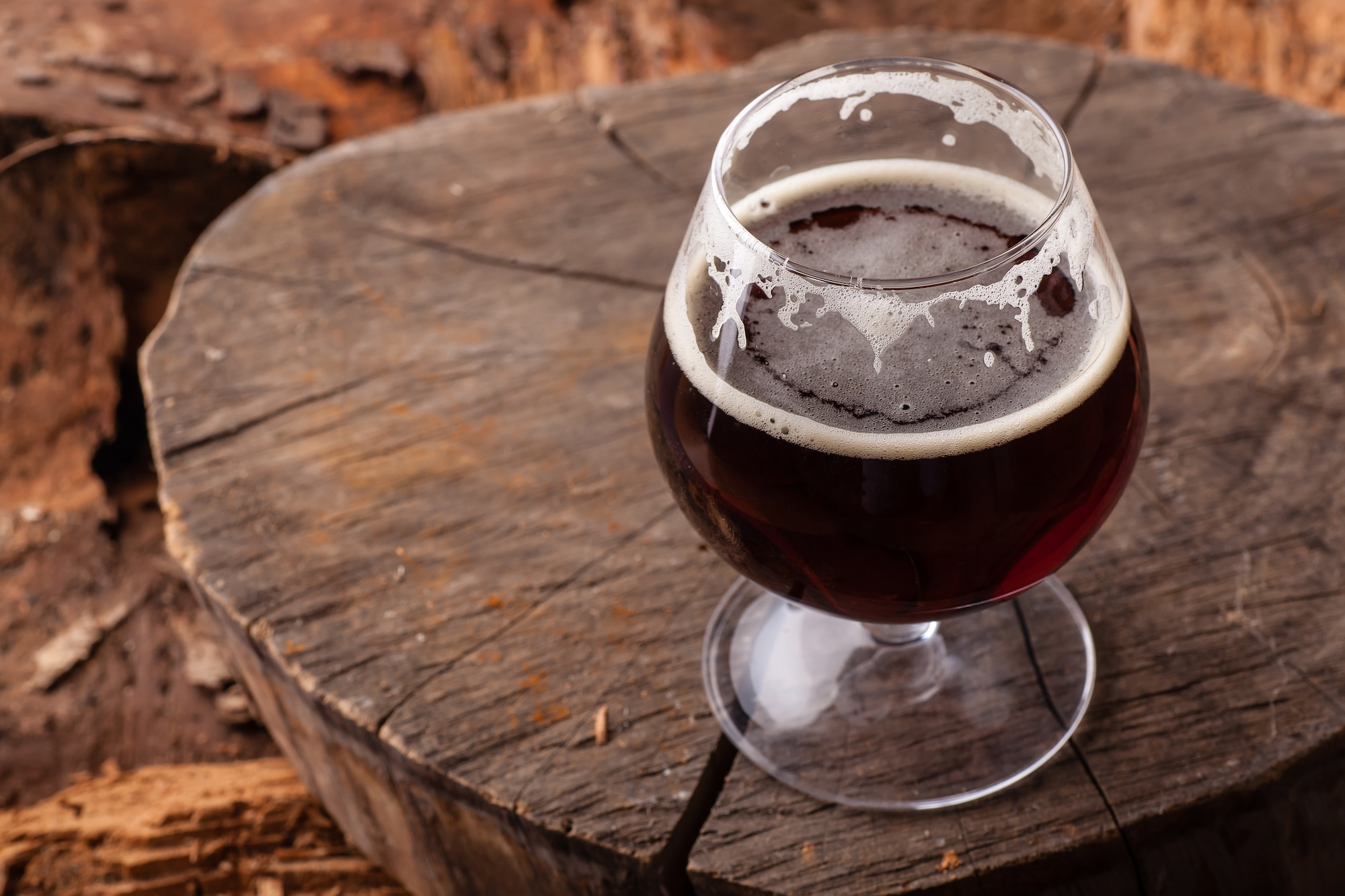
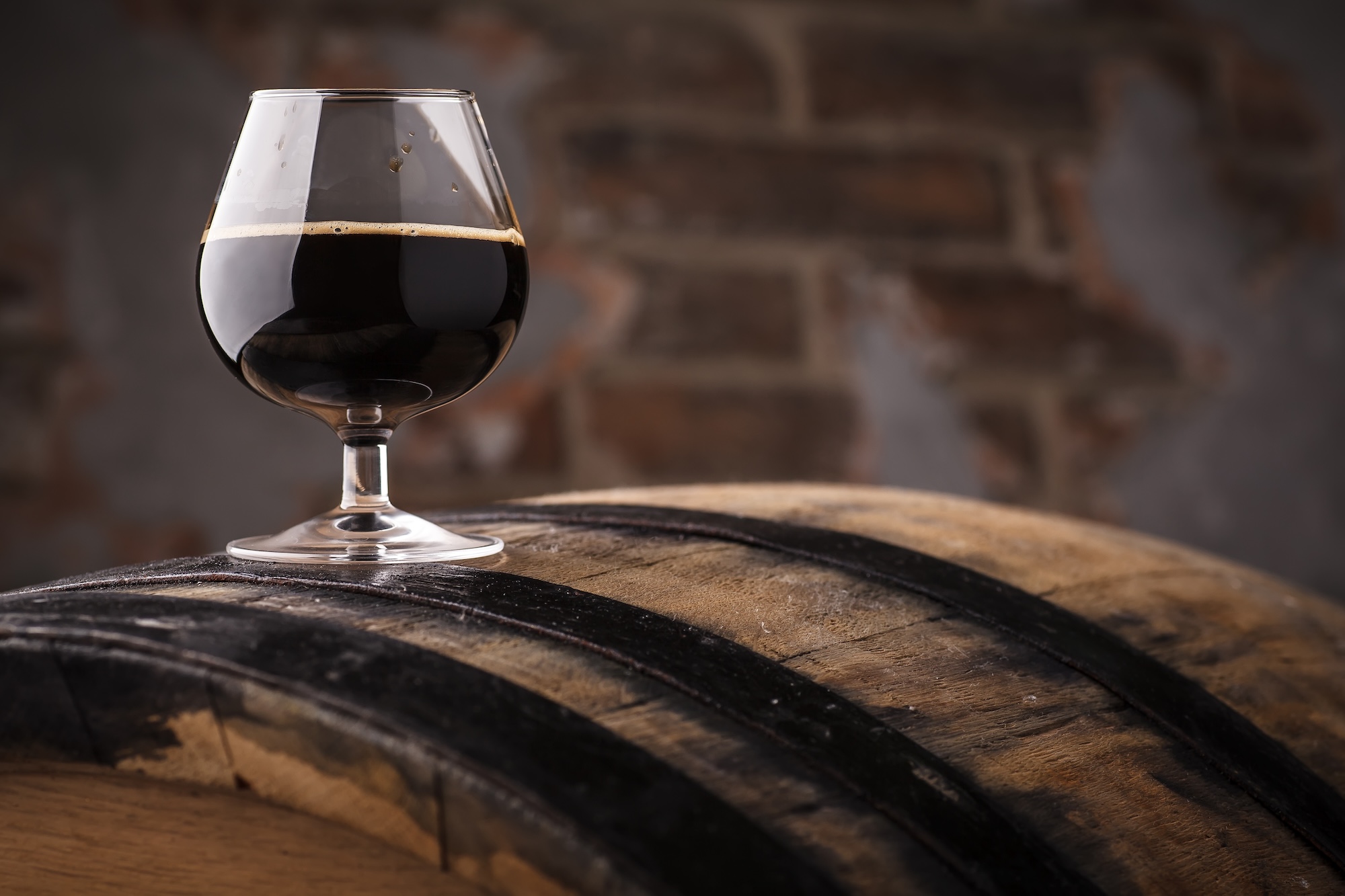
Stout: Rich and creamy stout with chocolate and coffee undertones.Photo for menu

Beyond ‘Roasty’: Widen Your Stout Vocabulary

Rich, dark, deeply flavored and sometimes beastly, stouts are a style that people don’t like, they love. Or hate. There’s no “meh” in stout-land. The near-universal rap from the haters is that “it’s heavy” or strong, or filling, and sometimes they are, just like any style. But one of the world’s most popular stouts isn’t even as strong, or rich, or filling as your average mass-market lager—it’s as light on its feet as a ballerina—and you can dance with her all night long.

Healthy food. Assortment of dried fruits and nuts on a wooden table

More of the Flavors We Love: Fruits and Spices in IPAs

No question, people love IPAs. A prime reason is that they are supreme showcases for the heady aromatics of hops: resin, pine, herbs, citrus, stonefruit, tropical fruit and more. As most of these vocabulary terms describe foods, this suggests a question: If these food flavors are so delicious in IPAs, why don’t we just add them directly? Despite some purists out there, we’ve done exactly that. 

Two mugs of beer

Wit, Weizen & Weisse


In Western culture, wheat is more than a foundation of cuisine, frequently chosen to symbolically represent the life-giving power of nature. Its history goes all the way back to the agricultural revolution about 10,000 years ago. For countless generations, wheat was one of the wild grains selected and replanted, eventually nurtured into high-yielding domesticated versions. Its cousin barley was carefully developed into the perfect brewing grain. While much of wheat breeding was aimed at making better bread, evidence shows that some wheat was bred for brewing.

Alcoholic Gin and Tonic

A Tonic for Our Times

“Tonic” refers to quinine, which is used today as an effective anti-malarial treatment. It’s tightly raspy bitterness is at the heart of this medicine-turned-beverage, and is the reason it works so well to cut the sweetness as used in the famous cocktail. Grocery store brands are pretty one-dimensional, and the specialty brands seem expensive enough to at least investigate a DIY version.

beer, gose, stange, glass, wheat, grain, salt, gold, amber, white, bead board

The Tightrope of Gose

Despite the slow, orderly evolution and subtle trends that beer styles often follow, there are many cases where something new—or obscure, or even dead—will suddenly catch fire and fit the moment perfectly. This is the case for gose, which disappeared in the 1960s from its home in Northeastern Germany after a couple of centuries or more. I’ve been writing about this fascinating style since the 1990s; for a while, gose got only sporadic love from craft breweries, mostly as an exercise in curiosity. At some point about ten years ago, this reclusive style bounded onto the American craft scene, ready to rock. 

1 5 6 7 9