hophead1-1mrq

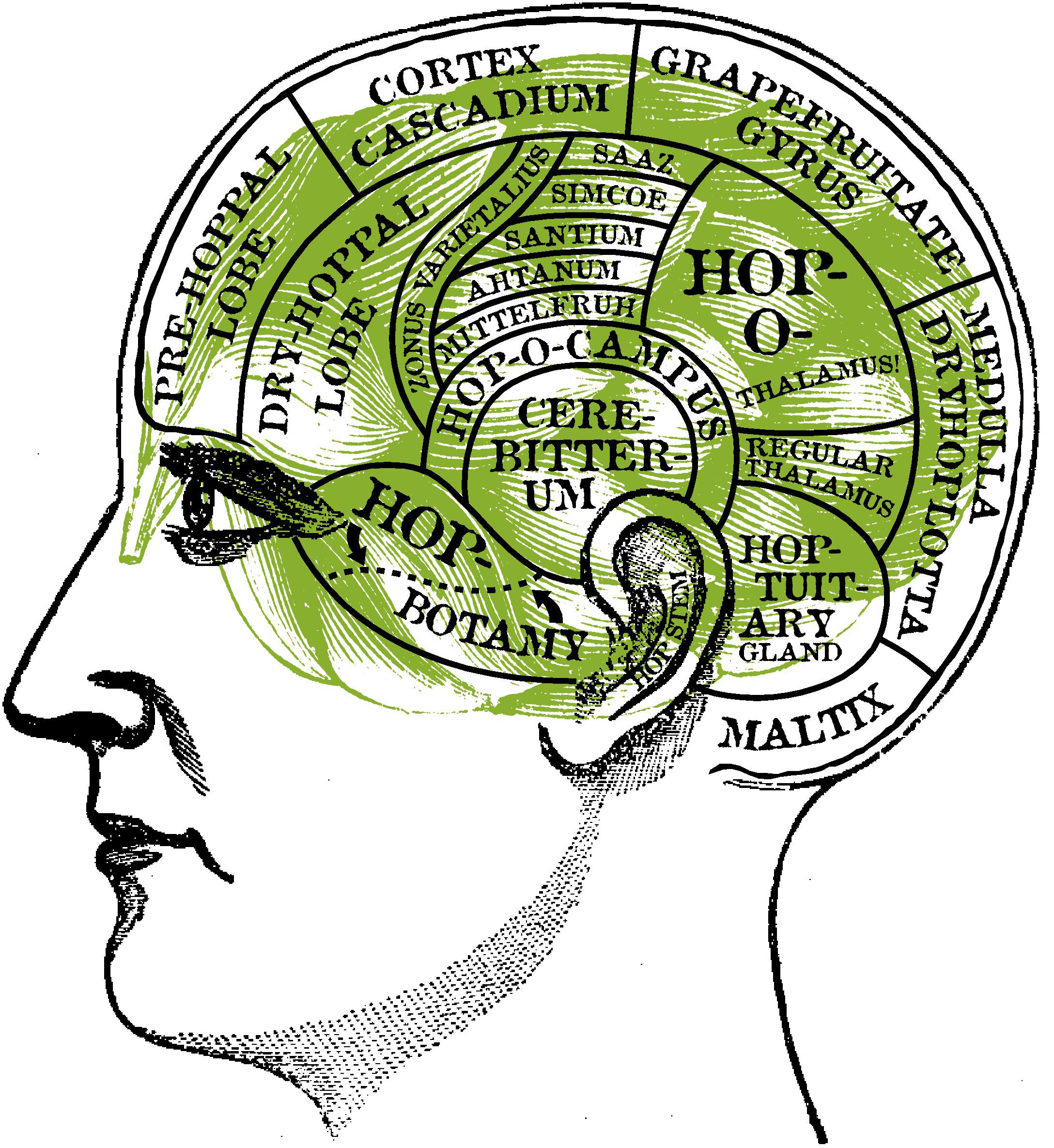
Is There a Brain Map for Odors?

GS: “We try to get people to use a standard vocabulary. You can use any words you want as long as they’re consistent and everybody on the team knows what they represent. People use terms related to their experience like: “grandma’s basement,” but I don’t know what your grandma’s basement smells like; I only know my own grandma’s. So you have to common language. And if you’re going to use a common language, it might as well be the industry standard one, so you can talk to people outside your own company. Of course, different audiences have different needs and interests.”

CBF5a2ccmrq

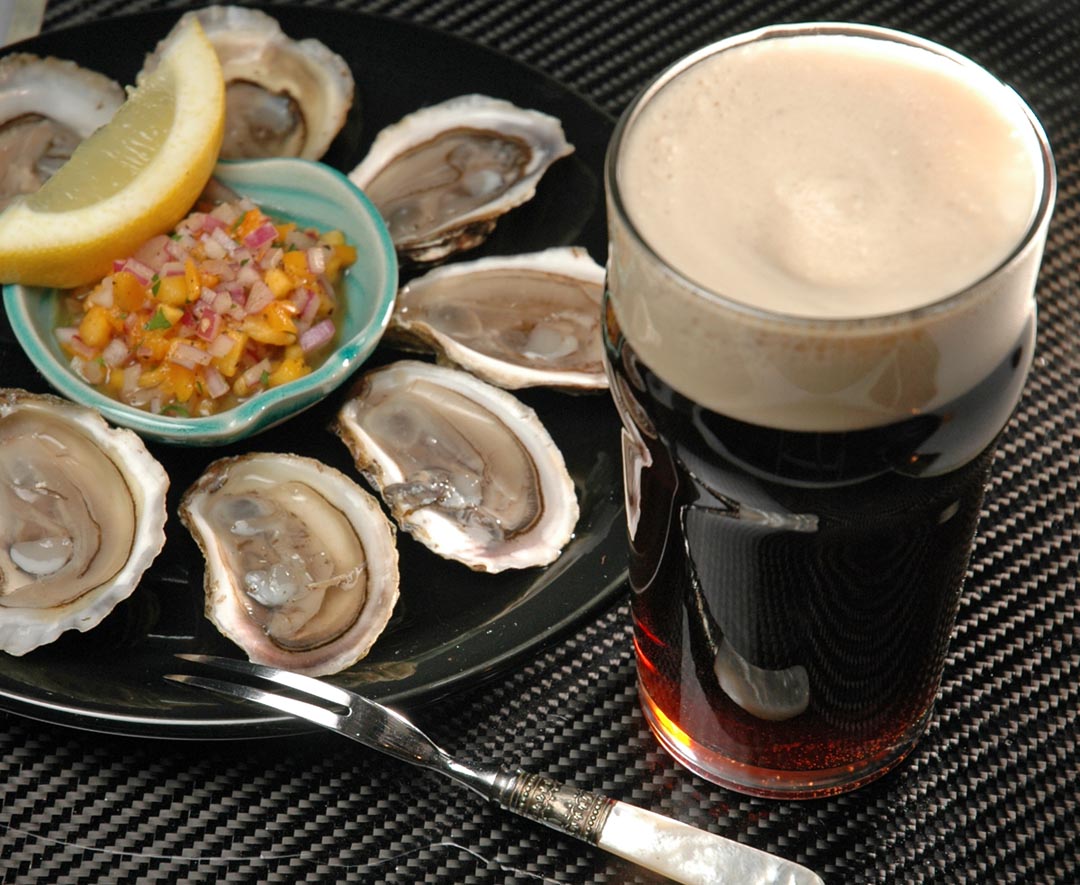
Food and Drink: What Is Really Known About Food and Drink Interactions?

I was involved for a couple of years with a group that was trying to put some logic and science into the often fuzzy thinking around beer and food pairing. I think we made some progress, but one of the things we knew we needed was a literature search. This meant combing through a ton of scientific papers to look for proven interactions, which was not an easy task, since they tended to be buried in research about particular receptors and other biological systems.

Unrecognizable woman drinking beer on a restaurant with views to nature

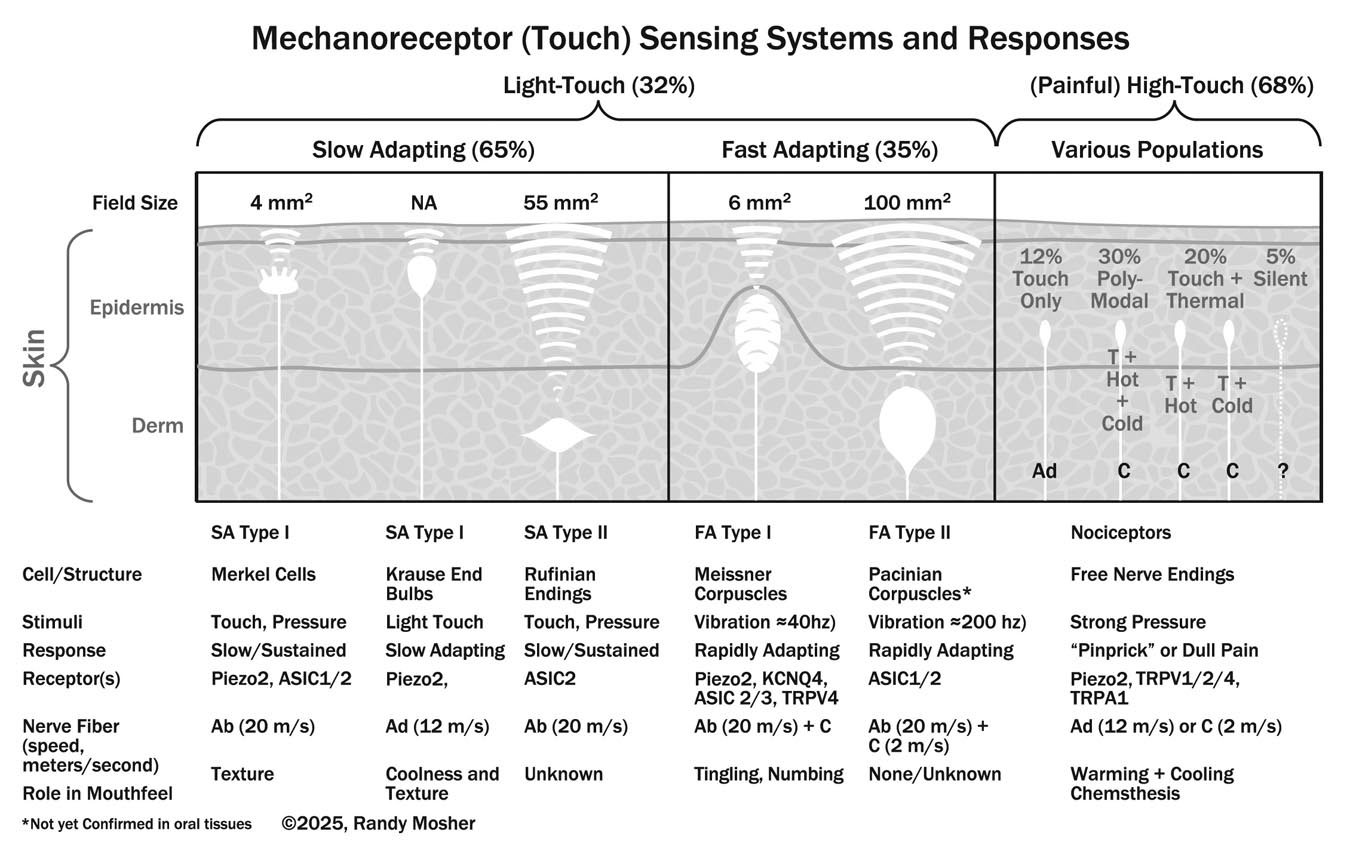
Mouthfeel: Beer’s Stealthy Charm

Every beer taster can recognize the bitter snap of hops on the palate, the caramel-to-roasty spectrum of malt aromas, and occasionally the spicy, fruity signatures of certain yeast strains. We love beer’s boldness, and in recent years the volume has definitely been turned up. Amid all the hubbub it’s easy to overlook one of its most unique charms: mouthfeel.