belg-lacambeermap2lmrq

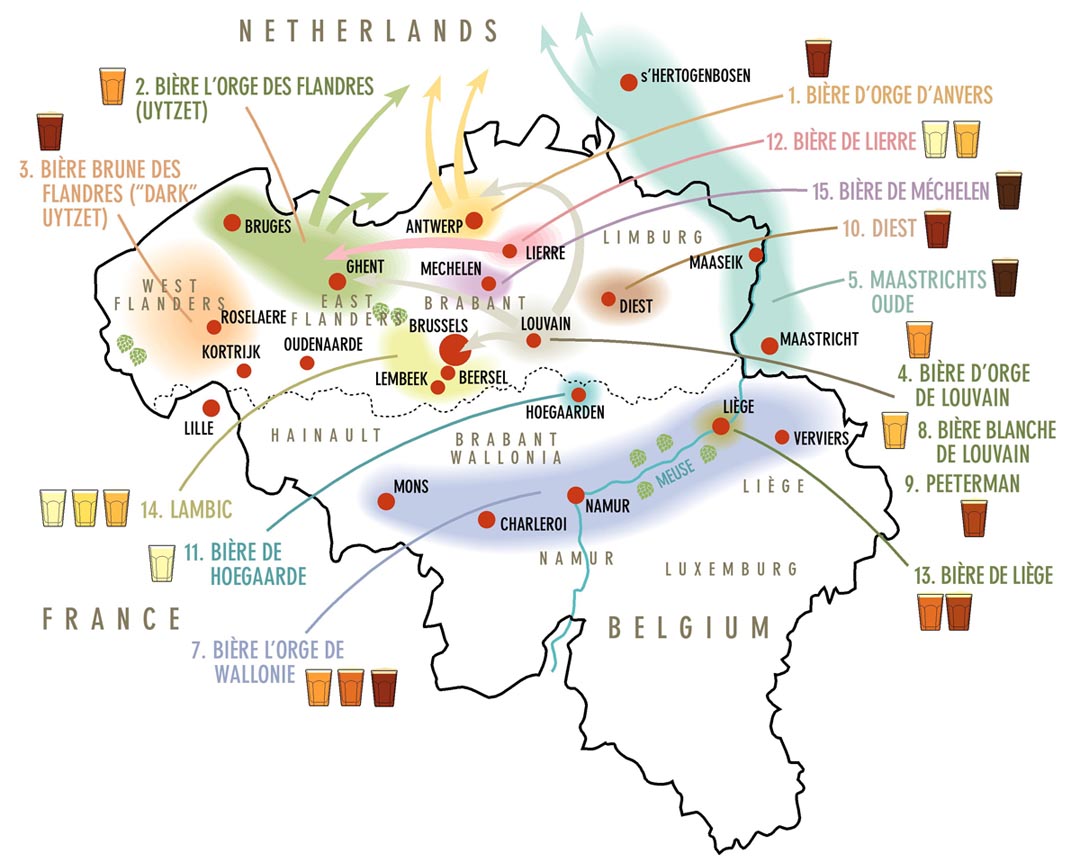
G. Lacambre’s Strange Belgian Beers in 1851

Obviously a work this large has a lot in it, so here I’m dealing with a small portion of the book where he describes the beer styles of the day. Early on in the book Lacambre asserts that at that time, just about all (75 percent) beers from Belgium and Holland were wheat (or other adjunct) based beers, even “the ones we call barley beers.” This was prior to the arrival of lagers in Belgium.

wheatbeers1mr

A Yardfull of Lawnmower Beers

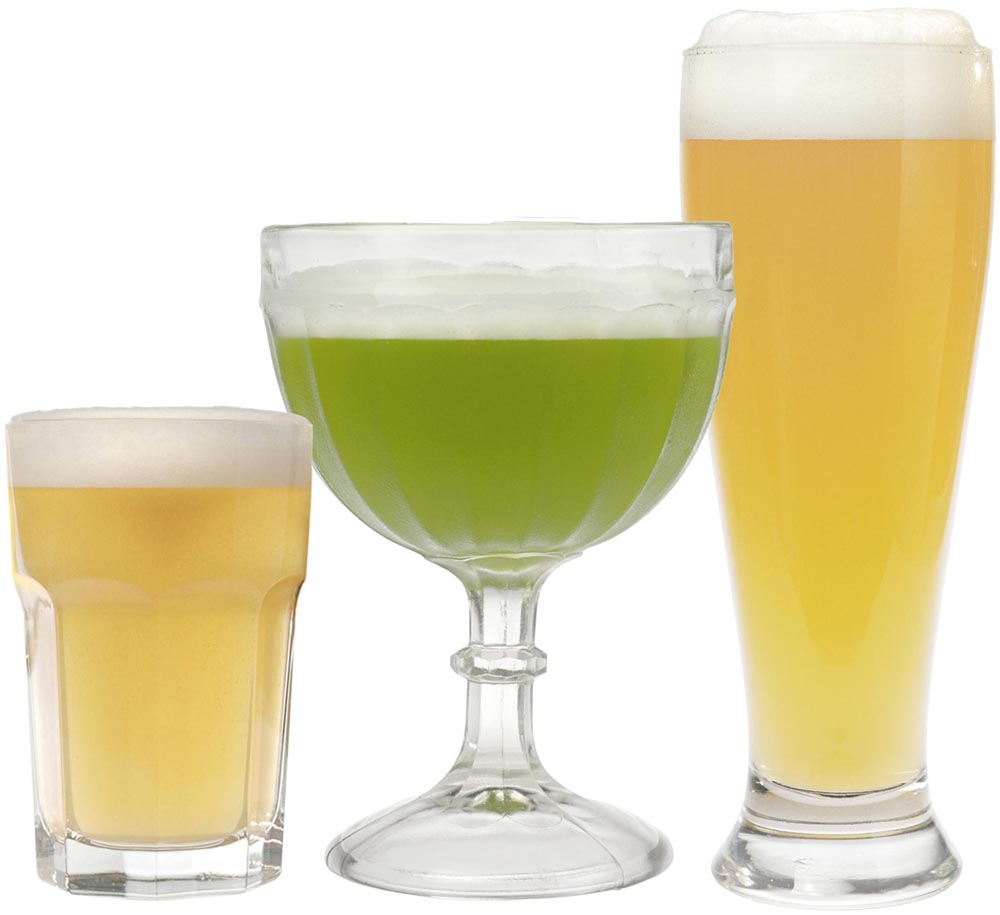
American industrial lagers and light beers already reign in lawnmower-land, and they do serve their purpose. But as homebrewers, we can see obvious room for improvement to suit our own creative instincts and particular tastes. So here’s a few mini-recipes, which I leave to you to flesh out into actual malt, hops, wheat, oats and whatever else you can think of.

itjudge1lmrc

The Bittersweet Taste of Tradition

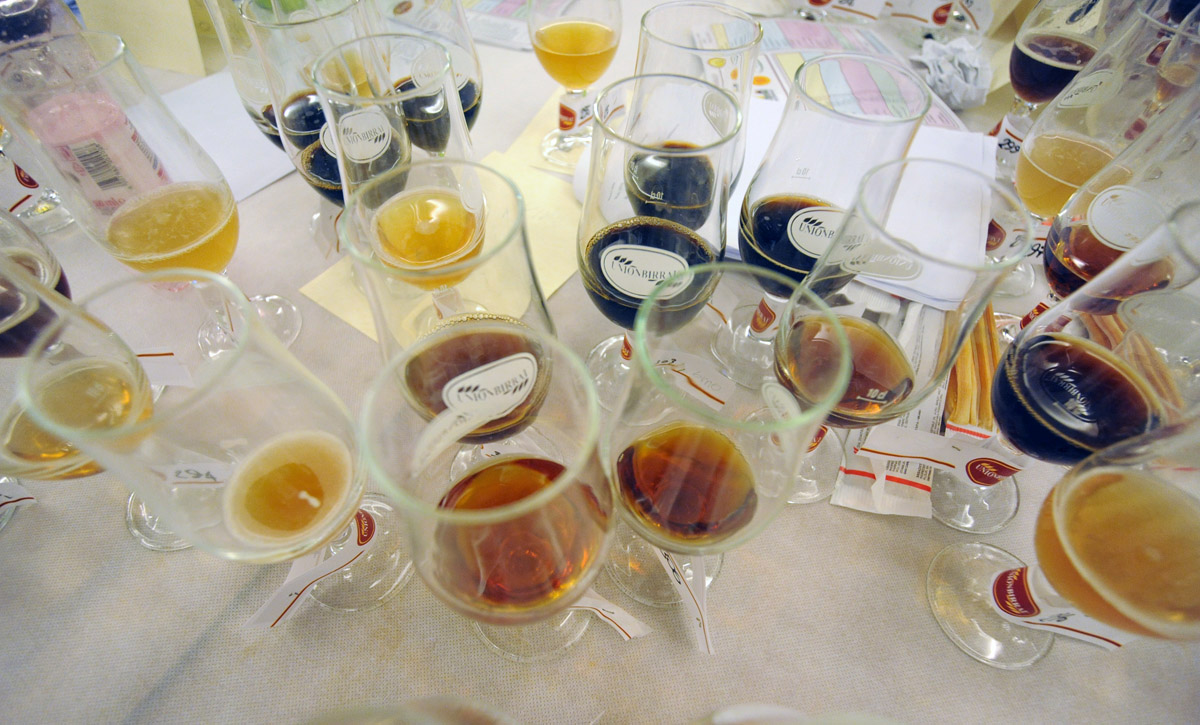
As art, every beer is part of a larger story, and comes out of a specific context, whether it’s a traditional classic or an avant-garde experiment. These stories, technological guideposts and aesthetic characteristics shape not only the specifics of the drink itself, but our expectations, attitudes and ultimately the nature of our interaction with it. Tradition is a metaphoric bucket for certain ideas that get poured into beer along with the malt and hops.

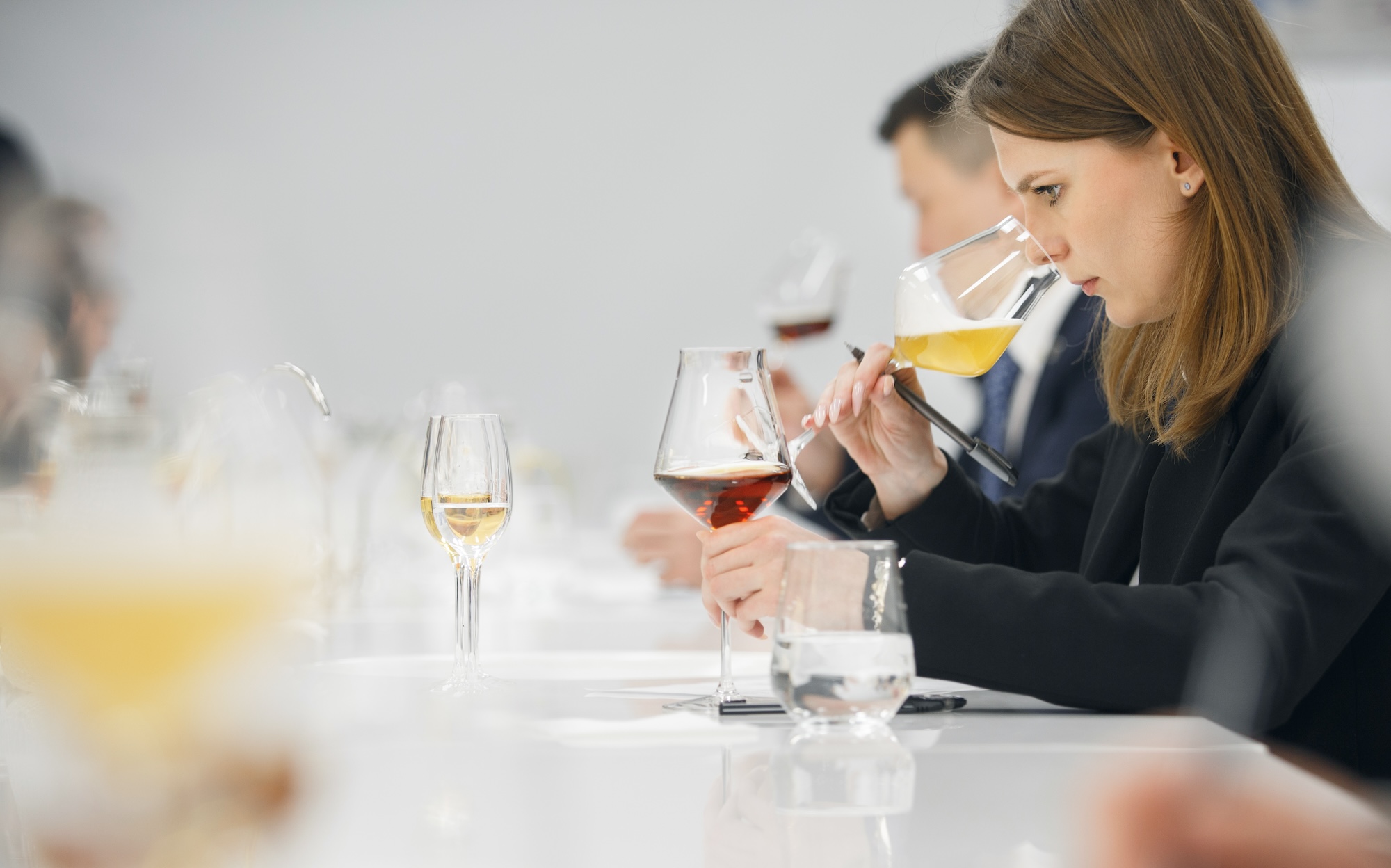
Wine waiter woman during blind tasting various alcoholic beverages. Sommelier exam to study different wine and beer.

Running Hot and Cold

It’s obvious that we human beings are all pretty different from one another—in appearance, experience, attitude, gender, and countless other attributes. Each of us has things that come effortlessly and others at which we struggle. It goes without saying that these differences affect our abilities as tasters. But how, exactly?

Dark beer on stump

The Heart of the Darkness

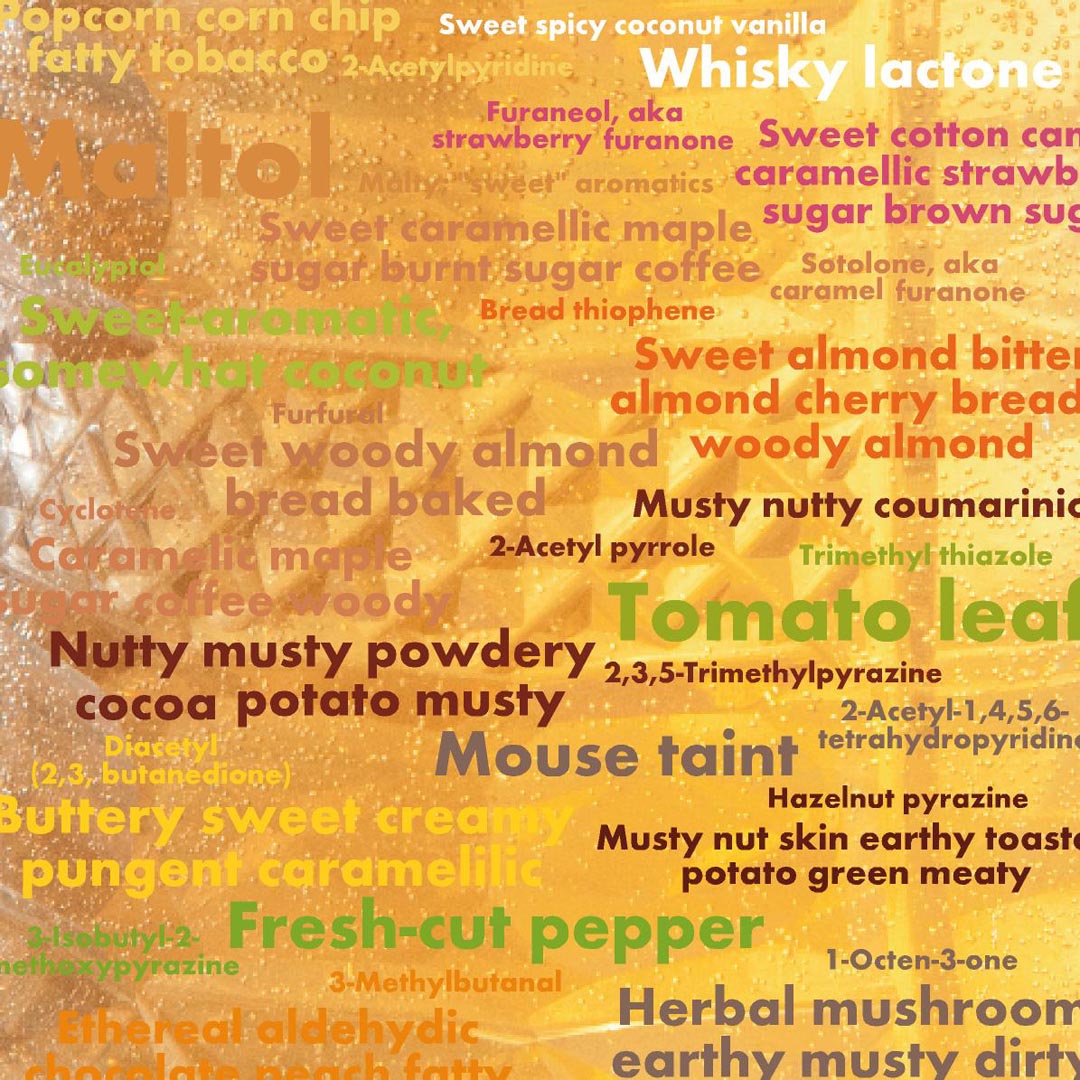
Nearly all malt flavor derives from a few chemical reaction systems: Maillard browning (aka non-enzymatic browning), and a similar, but distinct process known simply as “caramelization.” Maillard involves many forms of carbohydrates plus nitrogen-containing amino acids found in malt. Caramelization mainly involves sugar, typically in a dense and liquid state, like when you put sugar in a pan and heat it until it browns and changes flavor. At the highest temperatures a process called “pyrolysis” takes over, which is just a fancy technical way of saying “burning,” specifically of sugar molecules.