diosccor2mr

In Praise of Coriander

As someone with a creative bent, I want to make sure I have access to the widest possible range of flavors to work with, just as an artist would want to have a lot of colored paints at hand. Some seasonings have very specialized uses and stay in the cabinet, but others are used so often I keep them on a rack right above the cooktop. Most herbs and spices are best suited either for savory foods or sweet ones. A few, like ginger, have shape-shifting characters that lets them do dual duty. Of these, coriander is the king in my kitchen.

Wine waiter woman during blind tasting various alcoholic beverages. Sommelier exam to study different wine and beer.

Develop Your Hop-Sense

It’s obvious that we human beings are all pretty different from one another—in appearance, experience, attitude, gender, and countless other attributes. Each of us has things that come effortlessly and others at which we struggle. It goes without saying that these differences affect our abilities as tasters. But how, exactly?

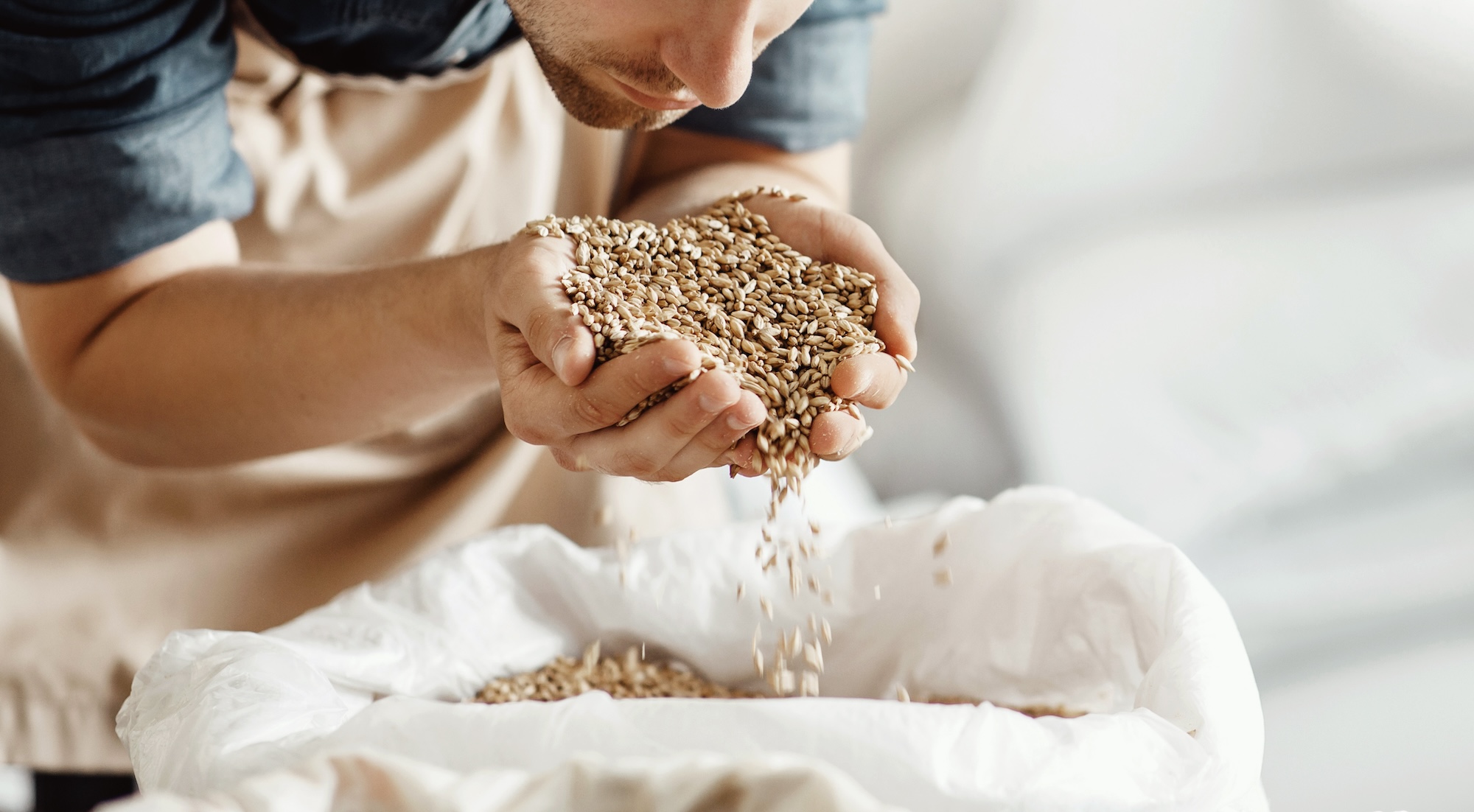
Prepare craft beer and enjoying aroma of fresh grains

The Heady Aromas of IPA

IPAs currently accounts for about half of all craft beers sold in the US. Their bold flavors and shape-shifting characters, plus the fun of terroir and varietal characteristics make them endlessly fascinating. Like most beers, they’re mostly malt, hops, water and yeast, but obviously the hops are the starring attraction.

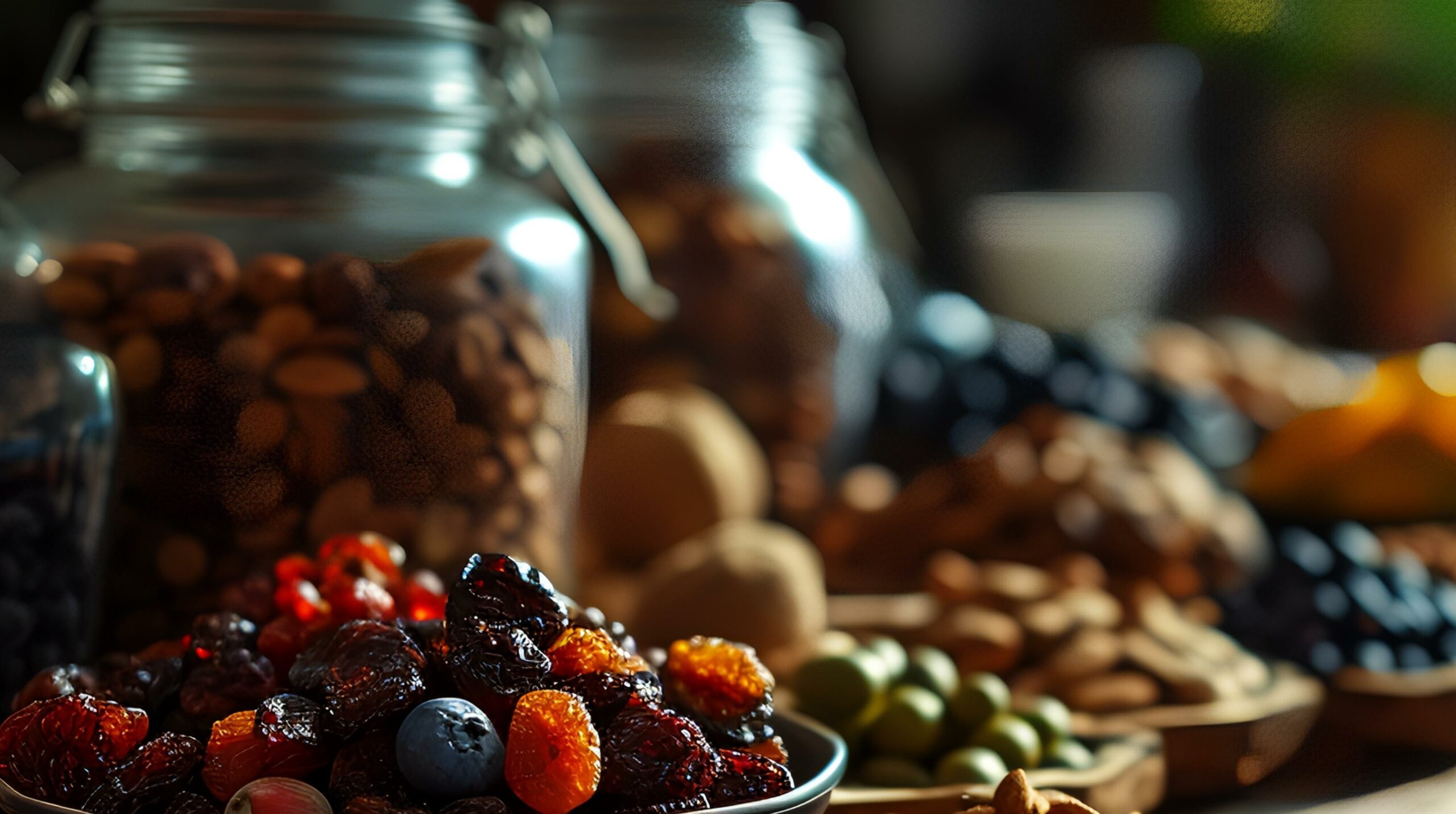
Healthy food. Assortment of dried fruits and nuts on a wooden table

More of the Flavors We Love: Fruits and Spices in IPAs

No question, people love IPAs. A prime reason is that they are supreme showcases for the heady aromatics of hops: resin, pine, herbs, citrus, stonefruit, tropical fruit and more. As most of these vocabulary terms describe foods, this suggests a question: If these food flavors are so delicious in IPAs, why don’t we just add them directly? Despite some purists out there, we’ve done exactly that.